
Manes Meckenstock
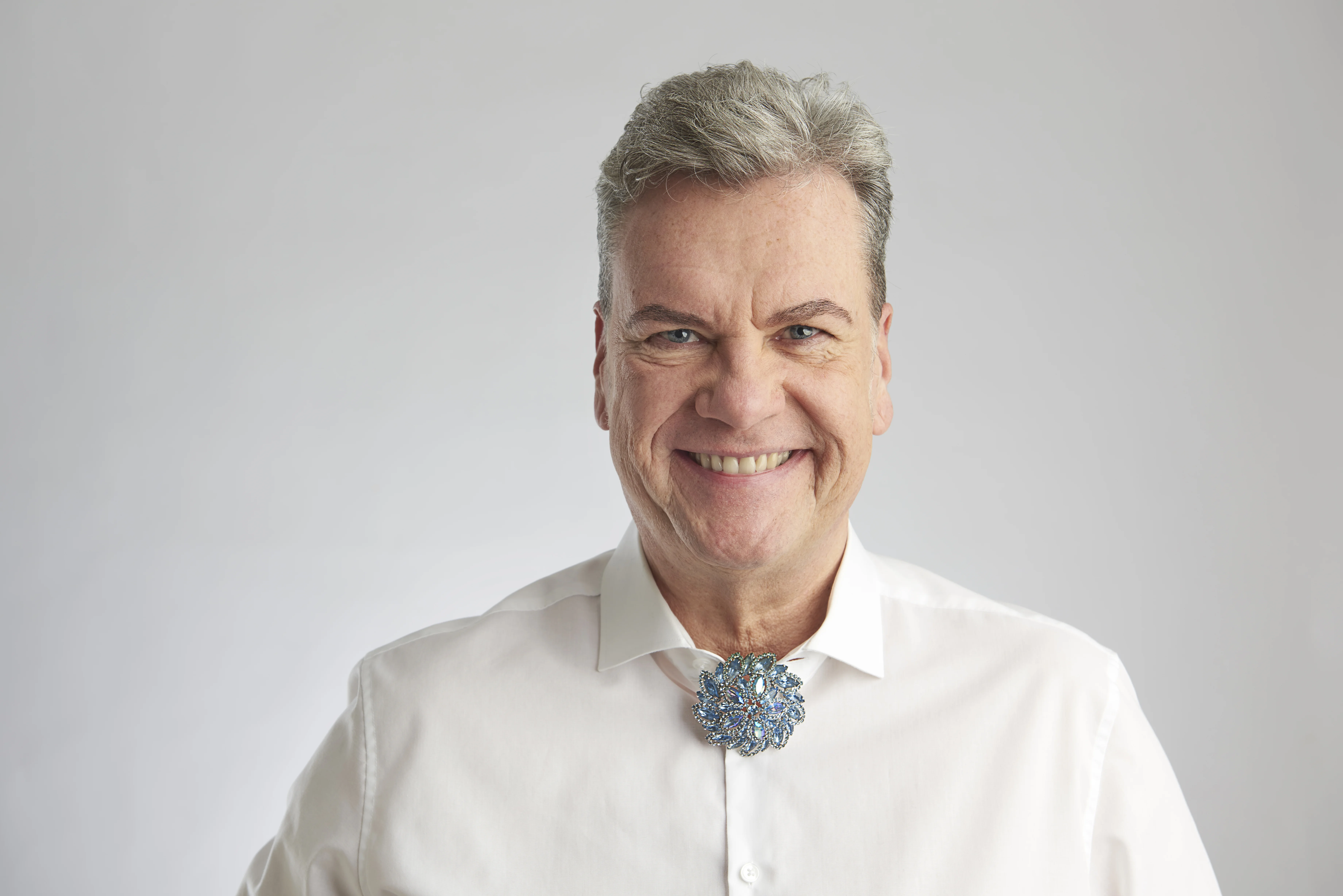
Image from Wikipedia
Image from Wikipedia
Manes Meckenstock – Düsseldorf Cabaret with Voice, Attitude, and Local Color
A cabaret artist, moderator, and author who not only describes Düsseldorf but also brings it to the stage
Manes Meckenstock, born on May 13, 1961, as Jörg Friedrich Hermann Kempkes in Düsseldorf-Flingern, is one of the defining Rhineland voices in German cabaret. His artistic profile combines stage presence, moderation, writing, and media experience into a clear, distinctive brand. His work is particularly intertwined with Düsseldorf, which he has been sharply processing for decades through its everyday life, mentality, and linguistic color. ([de.wikipedia.org](https://de.wikipedia.org/wiki/Manes_Meckenstock?utm_source=openai))
Biographical Roots: From Working-Class District to Own Stage Identity
Growing up in modest circumstances in Flingern, Meckenstock was shaped early on by the social and linguistic diversity of his hometown. After graduating from high school in 1980, he studied administrative law before serving as a recognized conscientious objector in civil service in elderly care. He then worked as a hairdresser and make-up artist, professions that sharpened his sensitivity to people, types, and layers of impact. ([de.wikipedia.org](https://de.wikipedia.org/wiki/Manes_Meckenstock?utm_source=openai))
His path into the public eye did not start through a traditional stage career but through a distinctive voice. A regular customer recommended him for radio in 1990, resulting in his satirical column "Kapaftisch" at Antenne Düsseldorf. There, he developed a tone that blended Rhineland wit, local observation, and social commentary. The stage name Meckenstock, which he adopted as a nod to his mother's maiden name, thus became his true stage identity. ([de.wikipedia.org](https://de.wikipedia.org/wiki/Manes_Meckenstock?utm_source=openai))
The Breakthrough in Cabaret: From Antenne Düsseldorf to Kom(m)ödchen
The success of the radio column brought Meckenstock to the Düsseldorf Kom(m)ödchen, a setting known for its special appeal for political and literary cabaret in Germany. It was here that Bettina Böttinger also noticed him and brought him to WDR, where he subsequently worked for various editorial teams. This station marked the transition from a local radio face to a solid presence in the Rhineland entertainment cosmos. ([de.wikipedia.org](https://de.wikipedia.org/wiki/Manes_Meckenstock?utm_source=openai))
For over 20 years, Meckenstock has been performing on stages and in front of cameras, as contemporary portraits highlight. He worked for WDR, among other things, as a field reporter for "Zimmer frei!" and was also featured on RTL's "7 Tage – 7 Köpfe." His career thus developed at the intersection of cabaret, moderation, and television, always supported by a strong regional anchoring. ([duesseldorf-queer.de](https://www.duesseldorf-queer.de/2015/05/29/manes-meckenstock-im-interview/?utm_source=openai))
Television, Radio, and Urban Culture: Manes Meckenstock as a Media Figure
His role as a local cultural mediator remained particularly formative. In Düsseldorf, he moderated the Sunday show "Kuckuck" for many years and returned as a reporter to "Zimmer frei!" after a break from January 2008 to 2011. In 2011, he moved to the regional broadcaster Center TV Düsseldorf, where he presented the monthly format "Manes up Jück" until the station closed in December 2017. ([queer.de](https://www.queer.de/detail.php?article_id=7652&utm_source=openai))
Additionally, he conducted city tours, participated in charity events, and engaged in cultural projects that solidified his image as a public storyteller of Düsseldorf. In 2004, he founded the non-profit cultural promotion association "Himmel & Ähd e.V.," which supports small arts and culture in Düsseldorf. This also shows an artist who not only performs but also creates structures for local cultural work. ([duesseldorf-queer.de](https://www.duesseldorf-queer.de/2015/05/29/manes-meckenstock-im-interview/?utm_source=openai))
Stage Programs and Cabaret Signature
Meckenstock's programs show a clear development from ensemble and community projects to an independent solo voice. Early stage highlights include "Mer hant jet zo sahre," "Die Rache des Rheinländers" with Frank Küster, and "Kamelle, et Christking kütt!" with Gaby Köster. Later, he produced his first solo program "Kinner hät sich selfs jemaht" and long-term formats like "Kuckucks Bunter Abend," "Ein Abend mit …," "Fröher" with Die Sweethearts, and "Lott jonn – oder als das Würstchen Huppsi machte." ([de.wikipedia.org](https://de.wikipedia.org/wiki/Manes_Meckenstock?utm_source=openai))
His cabaret work thrives on observation, timing, and a strong local linguistic color. The humor arises from milieu, perspective, and precise everyday comedy, not from mere punchlines. This is precisely where the quality of his stage presence lies: he does not speak abstractly about Düsseldorf but tells stories from within the city, its dialects, quirks, and social memory. ([duesseldorf-queer.de](https://www.duesseldorf-queer.de/2015/05/29/manes-meckenstock-im-interview/?utm_source=openai))
Author, Speaker, and Urban Chronicler
As an author and speaker, Meckenstock broadens his profile beyond classic cabaret. In interviews and portraits, he is described as a Düsseldorf original, creating a local archive of voice through anecdotes, memories, and observations. His book and program work, especially around "Hinterm Bahnhof," confirms this role as a chronicler of districts, paths, and everyday experiences. ([duesseldorf-queer.de](https://www.duesseldorf-queer.de/2015/05/29/manes-meckenstock-im-interview/?utm_source=openai))
The connection of language, rhythm, and character portrayal gives his texts an almost musical dramaturgy. Even without a classic discography in the pop or rock sense, his work possesses a clear repertoire structure: programs, readings, TV formats, and stage evenings form an artistic overall composition. For cabaret fans, this is crucial, as recognition and development are closely linked. ([de.wikipedia.org](https://de.wikipedia.org/wiki/Manes_Meckenstock?utm_source=openai))
Recognition, Resonance, and Cultural Influence
Meckenstock's work has been publicly honored several times. Among others, he received the award as Wine Ambassador of Rhineland-Palatinate in 2014 and the Martinstaler from the state capital Düsseldorf in 2018. Such honors not only mark popularity but also cultural relevance in the local public. ([de.wikipedia.org](https://de.wikipedia.org/wiki/Manes_Meckenstock?utm_source=openai))
The press also regularly highlights his connection between entertainment and local context. Reports describe him as a "highly decorated" cabaret artist and emphasize his strength in working with Rhineland temperament and linguistic precision. His influence lies less in mainstream star pop and more in the sustainable shaping of a regional cabaret culture that combines closeness, identity, and social critique. ([aachener-zeitung.de](https://www.aachener-zeitung.de/lokales/region-aachen/baesweiler/manes-meckenstock-hat-die-lacher-auf-seiner-seite/4103527.html?utm_source=openai))
Current Projects and Presence Today
Meckenstock remains present in recent reports, including interviews, event announcements, and stage notices. In 2022, a detailed talk was released with Antenne Düsseldorf, discussing summer hole cabaret, city life, charity actions, and tours. In 2026, he also appeared in the theater context as an actor in "Kalter weißer Mann," underscoring his continued stage activity. ([antenneduesseldorf.de](https://www.antenneduesseldorf.de/artikel/der-talk-mit-manes-meckenstock-vom-14-august-2022-1397132?utm_source=openai))
The current perception shows an artist who has never treated his hometown merely as a backdrop. Instead, he uses Düsseldorf as a resonance chamber for comedy, memory, and social observation. This is precisely where his work derives its credibility and recognizability even today. ([antenneduesseldorf.de](https://www.antenneduesseldorf.de/artikel/der-talk-mit-manes-meckenstock-vom-14-august-2022-1397132?utm_source=openai))
Conclusion: Why Manes Meckenstock Remains Interesting
Manes Meckenstock is an artist with a clear stance, precise local color, and an extraordinarily long media and stage presence. His career shows how a striking voice, keen observation, and consistent regional attachment can create an independent artistic profile. Anyone who appreciates cabaret as a blend of language, timing, character, and social proximity will find a vibrant, honest, and humorous body of work in him. An evening with Manes Meckenstock is worthwhile not only for Düsseldorfers but for anyone looking to experience authentic stage art. ([duesseldorf-queer.de](https://www.duesseldorf-queer.de/2015/05/29/manes-meckenstock-im-interview/?utm_source=openai))
Official Channels of Manes Meckenstock:
- Instagram: No official profile found
- Facebook: No official profile found
- YouTube: No official profile found
- Spotify: No official profile found
- TikTok: No official profile found
Sources:
- Wikipedia – Manes Meckenstock
- Antenne Düsseldorf – The Talk with Manes Meckenstock from August 14, 2022
- Düsseldorf Queer – Manes Meckenstock in Interview
- Düsseldorfer Anzeiger – Oberbilk: Behind the Station, Manes Meckenstock Book
- Aachener Zeitung – Manes Meckenstock has the Laughter on His Side
- Ddorf-Aktuell – Cold White Man: Fun and Gender Morality in the Theater at the Kö
- Theater at the Kö – Season 2023/2024
- Kabarett Kaarst – Manes Meckenstock
Upcoming Events
Manes Meckenstock - Funny Reading: Poems from Sense to Excess
An evening full of wit and poetry at the Theater an der Kö: Manes Meckenstock reads Poems from Sense to Excess. 30.08.2026, from €17. #Düsseldorf #Reading
Manes Meckenstock - Funny Reading: Poems from Sense to Excess
An evening full of linguistic wit and poetry at Düsseldorf's Theater an der Kö. Manes Meckenstock reads on 07.12.2026 from 17 €. #LiteraryEvening