
Siegburger Str. 15, Düsseldorf-Stadtbezirk 3
Siegburger Str. 15, 40591 Düsseldorf, Germany
Mitsubishi Electric Halle - D.LIVE | Directions & Parking
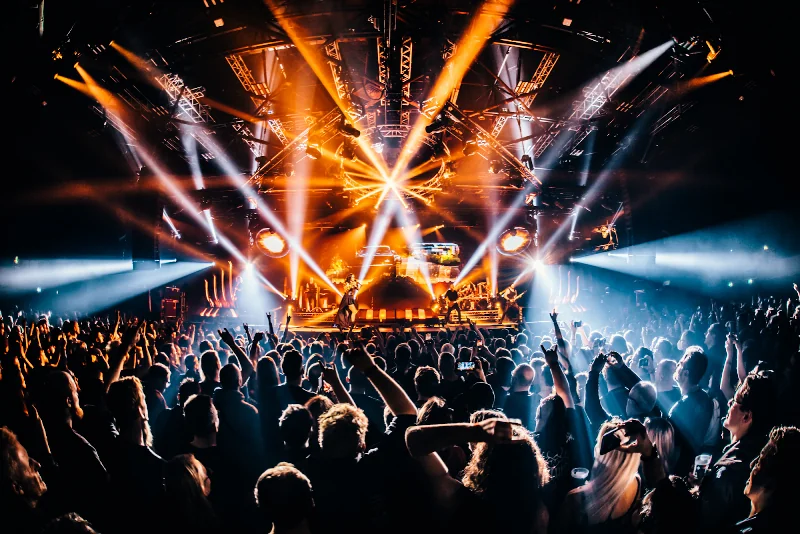
The keyword landscape around the Mitsubishi Electric Halle clearly shows what visitors are really looking for: directions, parking, public transport, capacity, seating plan, accessibility, and a clear sense of how the hall feels in everyday life. At this point, a mere event address transforms into a real visitor location with character. The Mitsubishi Electric Halle in Düsseldorf is not only a well-known address for large concerts and shows but has been an integral part of the Düsseldorf event landscape since 1971. D.LIVE describes it as an iconic multifunctional hall with modernized technology, flexible use, and up to 7,500 seats. At the same time, it is designed to function not only for music but also for sports, corporate events, TV productions, and exhibitions. This is important for visitors because a hall of this size is convincing when not only the program is right, but also the paths are short, the orientation is logical, and the usage options are versatile. Therefore, those looking for photos, reviews, or practical information essentially want to know: How do I get there easily, how big is the hall, how flexible is the space, and what can I expect on-site? The Mitsubishi Electric Halle answers these questions in a remarkably clear way. ([d-live.de](https://www.d-live.de/venues/mitsubishi-electric-halle))
Directions, Parking, and Public Transport to the Mitsubishi Electric Halle
The journey is one of the strongest advantages of this location. The official address is Siegburger Str. 15, 40591 Düsseldorf, and according to D.LIVE, the hall is located in close proximity to S-Bahn, U-Bahn, and bus stops. This makes it significantly more accessible for many visitors than purely car-dependent event locations. D.LIVE explicitly recommends public transport for most events because the hall can be reached within a few minutes on foot from the stations, and many tickets also serve as a ticket in the VRR area as well as for Deutsche Bahn in second class. This is especially a noticeable advantage during large evening events, as those who leave their car behind reduce stress, save on parking searches, and often get back on the road faster. At the same time, the location is by no means impractical for drivers, as parking spaces are available around the clock and accessible parking is also possible. For events, the parking fee is 10 euros, and according to visitor information, the rate can often be paid at the parking machines before the event. This combination of public transport, parking spaces, and short distances to the stations is one of the reasons why the hall works so well for both local visitors and guests from the surrounding area. ([mitsubishi-electric-halle.de](https://www.mitsubishi-electric-halle.de/besucherinfos/anfahrt?utm_source=openai))
Especially for popular concerts and shows, it is advisable to plan the journey strategically. Official event pages of the Mitsubishi Electric Halle indicate that there is typically high traffic and longer delays in the vicinity on event days, especially when leaving the parking lots. This is an important practical note for anyone who wants or needs to come by car. Therefore, those using the parking lot on-site should plan enough time before and after the event. It is also relevant for many visitors that parking tickets can only be purchased on-site and that the parking spaces can also be used overnight for a fee. The FAQs also clarify that there are no motorcycle parking spaces and no RV parking spaces available. These details show how clearly the location is aimed at classic concert and event guests: with good infrastructure but without unnecessary complexity. For inquiries about parking, directions, and ticket usage, this is exactly the kind of transparency that builds trust. Those who inform themselves in advance can start the event evening much more relaxed and do not end up in the typical traffic chaos outside. ([mitsubishi-electric-halle.de](https://www.mitsubishi-electric-halle.de/event/anastacia-03-04-2025?utm_source=openai))
Capacity, Room Plan, and Flexible Space Overview
The Mitsubishi Electric Halle is one of the most versatile halls in Düsseldorf because it is not limited to a single usage model. The official venue page states a capacity of up to 7,500 people, an indoor area of 3,300 square meters, variable usage, and 14 individual dressing rooms in the spacious backstage area. At first glance, these seem like dry numbers, but in practice, they are the core of its strength: the space can be configured so that both large concerts and more compact formats work. The room overview makes this flexibility even clearer. There, the interior is described as adaptable, with telescopic grandstands and side stands, a flexible curtain partition system, and load-bearing industrial flooring. For companies or organizers, this means: the hall can be set up appropriately for conferences, banquets, exhibitions, or presentations just as well as for loud live shows. For visitors, this means: the seating plan is not rigid but depends heavily on the respective event. That is exactly why terms like seating plan, seats, best seats, or room plan appear so frequently in search queries. The location is large enough for an arena feel but flexible enough to create a clear view and suitable atmosphere even with partially seated setups. ([d-live.de](https://www.d-live.de/venues/mitsubishi-electric-halle))
The official room data makes this adaptability tangible. The interior itself is stated to be 3,300 square meters with a height of 9.50 meters and can accommodate up to 7,500 guests depending on the setup. For row seating, the hall lists 5,450 seats, for conferences 1,554, and for banquet formats 1,520 or 2,208 seats, depending on the table arrangement. Additionally, there are separate areas such as the 930 square meter entrance foyer, the 900 square meter side foyer, and the 300 square meter terrace, which are suitable for registration, catering, breaks, or casual gatherings. These additional spaces are important because they explain why the hall functions not only for the main program but also for receptions, catering, and side events. Therefore, when informing oneself through photos or impressions, one should always consider the specific seating arrangement: a concert night with standing places feels different than a corporate event with a conference layout or banquet structure. The Mitsubishi Electric Halle is therefore less a single stage than a moldable event framework that can be tailored to different target groups. This adaptability is a central feature of its attractiveness. ([mitsubishi-electric-halle.de](https://www.mitsubishi-electric-halle.de/raum/innenraum-1?utm_source=openai))
Since 1971 a Düsseldorf Cultural Address with History
The history of the Mitsubishi Electric Halle goes back a long way and is an essential part of its appeal. According to D.LIVE, it began on March 31, 1971, as PHILIPSHALLE with a gala opening. Since then, the hall has developed into a true cultural address over more than half a century. The official representation emphasizes that concerts, shows, TV productions, sports, business events, fairs, and exhibitions have taken place there, and that over time, the hall has become an iconic multifunctional location. For the perception of an event hall, this is enormously important because history creates trust and recognition. Visitors feel that they are not dealing with an interchangeable building but with an address that has hosted generations of live experiences. Such places develop their own identity over the years: they are not just a backdrop but part of the experience. This is also reflected in the official wording that describes the hall as a cultural venue with longevity. The current brand Mitsubishi Electric Halle is thus built on a foundation that began long before its current use by D.LIVE. ([d-live.de](https://www.d-live.de/venues/mitsubishi-electric-halle))
Particularly impressive is which names and formats are associated with the hall. On the venue page, D.LIVE mentions, among others, Pink Floyd, Ella Fitzgerald, Johnny Cash, Santana, Genesis, Udo Lindenberg, Queen, Bob Marley, Depeche Mode, Liza Minelli, Elton John, Lenny Kravitz, Udo Jürgens, Die Toten Hosen, and Jan Delay, to name just a few of the more than 1,000 bands and artists who have already performed there. This shows how broad the musical spectrum has become over the years. At the same time, it underscores that the hall stands not just for one genre but for the entire range between rock, pop, comedy, classical, show, and sports. Such references are particularly valuable for inquiries about photos or reviews because they clarify that visitors are not just looking for a hall but for a place with cultural resonance. The technical and spatial modernization is also part of this development: the hall has been continuously developed to keep pace with the demands of today's live formats. History and modernity meet here, and therein lies a large part of its character. ([d-live.de](https://www.d-live.de/venues/mitsubishi-electric-halle))
Concerts, Shows, Sports, and Corporate Events
The Mitsubishi Electric Halle is as versatile in content as it is in space. D.LIVE describes it as a place for concert and sports highlights, corporate events, exhibitions, musicals, TV broadcasts, and even ice shows. The venue page lists examples such as Mike & the Mechanics, Carolin Kebekus, FELIX Champions Award, German Beach Trophy, Take That, and Judo Grand Prix. The concerts & shows page expands the spectrum to include Broilers, K.I.Z, Joel Brandenstein, OneRepublic, and The Analogues. This mix clearly shows which audience the hall appeals to: fans of large live concerts, comedy visitors, sports enthusiasts, event planners from companies, and organizers looking for a flexibly usable infrastructure. The hall is therefore suitable not only for a single scenario but for a whole family of events. This is relevant from an SEO perspective because search queries like events, concerts, and shows are not isolated from each other but are often searched together. The Mitsubishi Electric Halle caters to this broad usage spectrum while remaining clearly positioned: as a large, established Düsseldorf multi-venue with a strong live focus. ([d-live.de](https://www.d-live.de/venues/mitsubishi-electric-halle))
Another special feature is the technical infrastructure for digital and hybrid formats. D.LIVE points out that the hall provides the appropriate infrastructure for digital live broadcasts and that the German Beach Trophy has been broadcast live on Twitch in the past, with more than 2 million viewers. For today's event industry, this is an important point because live experiences no longer take place solely on-site. A modern hall must also consider streaming, camera setups, and media reach. The Mitsubishi Electric Halle can apparently deliver on this. For corporate events and sports formats, this is particularly interesting because reach and staging often go hand in hand today. At the same time, the hall remains accessible enough for classic visitor interests: good sightlines, flexible seating, versatile use, and a stage that can appear large or compact depending on the format. This also explains why artists like Anastacia, Jeremias, Architects, Eluveitie, Parcels, Feuerschwanz, Gzuz, Amorphis, and Sondaschule appear in search queries: the hall is a relevant tour stop for very different scenes. Its program feeling thus arises not from a single format but from constant adaptability. ([d-live.de](https://www.d-live.de/venues/mitsubishi-electric-halle))
Accessibility, Entry, and Practical Tips for Visitors
A strong visitor experience depends not only on the program but also on accessibility. Therefore, accessibility plays an important role at the Mitsubishi Electric Halle. The official visitor information describes a large, ground-level hall, and all public entrances and passages can be used without difficulty. This is particularly important for guests with limited mobility, as it simplifies orientation and movement on-site. Additionally, there are accessible restrooms in the passages to the upper side stands, which are clearly marked. The hall is also prepared for parking, as accessible parking is possible and available around the clock. Furthermore, the hall points out that wheelchair tickets must be purchased directly from the respective organizer. This clear communication is helpful as it avoids misunderstandings and makes the ticketing process clear. Therefore, those looking for reviews and impressions will find that the practical usability of the hall is a recurring theme. This is where the quality of a well-managed event venue shows: it thinks not only about the event itself but about the entire journey of guests from arrival to leaving the premises. ([mitsubishi-electric-halle.de](https://www.mitsubishi-electric-halle.de/besucherinfos/barrierefreiheit?utm_source=openai))
The hall also impresses with transparency in practical visitor tips. The FAQs explain that there are no motorcycle parking spaces and no RV parking spaces available at the Mitsubishi Electric Halle, that parking tickets can only be purchased on-site, and that vehicles may remain in the parking lot overnight for a fee. Equally important is the note on possible delays on busy event days, as those who know this can plan their arrival and departure more realistically. Especially for large concerts, this can save nerves. For many visitors, the combination of public transport and ticket benefits is also interesting: if the entry ticket is valid as a ticket in the VRR area, the entire evening becomes significantly more straightforward. This makes the Mitsubishi Electric Halle particularly attractive for guests who want to arrive comfortably without relying on a complicated parking situation. Overall, this creates a very solid visitor image: a large, traditional, and flexible hall that meets modern event demands, is easily accessible, and works with clear information. This mix is the reason why the location in Düsseldorf has remained so relevant for years. ([mitsubishi-electric-halle.de](https://www.mitsubishi-electric-halle.de/besucherinfos/haeufige-fragen?utm_source=openai))
Sources:
Show moreShow less
Mitsubishi Electric Halle - D.LIVE | Directions & Parking
The keyword landscape around the Mitsubishi Electric Halle clearly shows what visitors are really looking for: directions, parking, public transport, capacity, seating plan, accessibility, and a clear sense of how the hall feels in everyday life. At this point, a mere event address transforms into a real visitor location with character. The Mitsubishi Electric Halle in Düsseldorf is not only a well-known address for large concerts and shows but has been an integral part of the Düsseldorf event landscape since 1971. D.LIVE describes it as an iconic multifunctional hall with modernized technology, flexible use, and up to 7,500 seats. At the same time, it is designed to function not only for music but also for sports, corporate events, TV productions, and exhibitions. This is important for visitors because a hall of this size is convincing when not only the program is right, but also the paths are short, the orientation is logical, and the usage options are versatile. Therefore, those looking for photos, reviews, or practical information essentially want to know: How do I get there easily, how big is the hall, how flexible is the space, and what can I expect on-site? The Mitsubishi Electric Halle answers these questions in a remarkably clear way. ([d-live.de](https://www.d-live.de/venues/mitsubishi-electric-halle))
Directions, Parking, and Public Transport to the Mitsubishi Electric Halle
The journey is one of the strongest advantages of this location. The official address is Siegburger Str. 15, 40591 Düsseldorf, and according to D.LIVE, the hall is located in close proximity to S-Bahn, U-Bahn, and bus stops. This makes it significantly more accessible for many visitors than purely car-dependent event locations. D.LIVE explicitly recommends public transport for most events because the hall can be reached within a few minutes on foot from the stations, and many tickets also serve as a ticket in the VRR area as well as for Deutsche Bahn in second class. This is especially a noticeable advantage during large evening events, as those who leave their car behind reduce stress, save on parking searches, and often get back on the road faster. At the same time, the location is by no means impractical for drivers, as parking spaces are available around the clock and accessible parking is also possible. For events, the parking fee is 10 euros, and according to visitor information, the rate can often be paid at the parking machines before the event. This combination of public transport, parking spaces, and short distances to the stations is one of the reasons why the hall works so well for both local visitors and guests from the surrounding area. ([mitsubishi-electric-halle.de](https://www.mitsubishi-electric-halle.de/besucherinfos/anfahrt?utm_source=openai))
Especially for popular concerts and shows, it is advisable to plan the journey strategically. Official event pages of the Mitsubishi Electric Halle indicate that there is typically high traffic and longer delays in the vicinity on event days, especially when leaving the parking lots. This is an important practical note for anyone who wants or needs to come by car. Therefore, those using the parking lot on-site should plan enough time before and after the event. It is also relevant for many visitors that parking tickets can only be purchased on-site and that the parking spaces can also be used overnight for a fee. The FAQs also clarify that there are no motorcycle parking spaces and no RV parking spaces available. These details show how clearly the location is aimed at classic concert and event guests: with good infrastructure but without unnecessary complexity. For inquiries about parking, directions, and ticket usage, this is exactly the kind of transparency that builds trust. Those who inform themselves in advance can start the event evening much more relaxed and do not end up in the typical traffic chaos outside. ([mitsubishi-electric-halle.de](https://www.mitsubishi-electric-halle.de/event/anastacia-03-04-2025?utm_source=openai))
Capacity, Room Plan, and Flexible Space Overview
The Mitsubishi Electric Halle is one of the most versatile halls in Düsseldorf because it is not limited to a single usage model. The official venue page states a capacity of up to 7,500 people, an indoor area of 3,300 square meters, variable usage, and 14 individual dressing rooms in the spacious backstage area. At first glance, these seem like dry numbers, but in practice, they are the core of its strength: the space can be configured so that both large concerts and more compact formats work. The room overview makes this flexibility even clearer. There, the interior is described as adaptable, with telescopic grandstands and side stands, a flexible curtain partition system, and load-bearing industrial flooring. For companies or organizers, this means: the hall can be set up appropriately for conferences, banquets, exhibitions, or presentations just as well as for loud live shows. For visitors, this means: the seating plan is not rigid but depends heavily on the respective event. That is exactly why terms like seating plan, seats, best seats, or room plan appear so frequently in search queries. The location is large enough for an arena feel but flexible enough to create a clear view and suitable atmosphere even with partially seated setups. ([d-live.de](https://www.d-live.de/venues/mitsubishi-electric-halle))
The official room data makes this adaptability tangible. The interior itself is stated to be 3,300 square meters with a height of 9.50 meters and can accommodate up to 7,500 guests depending on the setup. For row seating, the hall lists 5,450 seats, for conferences 1,554, and for banquet formats 1,520 or 2,208 seats, depending on the table arrangement. Additionally, there are separate areas such as the 930 square meter entrance foyer, the 900 square meter side foyer, and the 300 square meter terrace, which are suitable for registration, catering, breaks, or casual gatherings. These additional spaces are important because they explain why the hall functions not only for the main program but also for receptions, catering, and side events. Therefore, when informing oneself through photos or impressions, one should always consider the specific seating arrangement: a concert night with standing places feels different than a corporate event with a conference layout or banquet structure. The Mitsubishi Electric Halle is therefore less a single stage than a moldable event framework that can be tailored to different target groups. This adaptability is a central feature of its attractiveness. ([mitsubishi-electric-halle.de](https://www.mitsubishi-electric-halle.de/raum/innenraum-1?utm_source=openai))
Since 1971 a Düsseldorf Cultural Address with History
The history of the Mitsubishi Electric Halle goes back a long way and is an essential part of its appeal. According to D.LIVE, it began on March 31, 1971, as PHILIPSHALLE with a gala opening. Since then, the hall has developed into a true cultural address over more than half a century. The official representation emphasizes that concerts, shows, TV productions, sports, business events, fairs, and exhibitions have taken place there, and that over time, the hall has become an iconic multifunctional location. For the perception of an event hall, this is enormously important because history creates trust and recognition. Visitors feel that they are not dealing with an interchangeable building but with an address that has hosted generations of live experiences. Such places develop their own identity over the years: they are not just a backdrop but part of the experience. This is also reflected in the official wording that describes the hall as a cultural venue with longevity. The current brand Mitsubishi Electric Halle is thus built on a foundation that began long before its current use by D.LIVE. ([d-live.de](https://www.d-live.de/venues/mitsubishi-electric-halle))
Particularly impressive is which names and formats are associated with the hall. On the venue page, D.LIVE mentions, among others, Pink Floyd, Ella Fitzgerald, Johnny Cash, Santana, Genesis, Udo Lindenberg, Queen, Bob Marley, Depeche Mode, Liza Minelli, Elton John, Lenny Kravitz, Udo Jürgens, Die Toten Hosen, and Jan Delay, to name just a few of the more than 1,000 bands and artists who have already performed there. This shows how broad the musical spectrum has become over the years. At the same time, it underscores that the hall stands not just for one genre but for the entire range between rock, pop, comedy, classical, show, and sports. Such references are particularly valuable for inquiries about photos or reviews because they clarify that visitors are not just looking for a hall but for a place with cultural resonance. The technical and spatial modernization is also part of this development: the hall has been continuously developed to keep pace with the demands of today's live formats. History and modernity meet here, and therein lies a large part of its character. ([d-live.de](https://www.d-live.de/venues/mitsubishi-electric-halle))
Concerts, Shows, Sports, and Corporate Events
The Mitsubishi Electric Halle is as versatile in content as it is in space. D.LIVE describes it as a place for concert and sports highlights, corporate events, exhibitions, musicals, TV broadcasts, and even ice shows. The venue page lists examples such as Mike & the Mechanics, Carolin Kebekus, FELIX Champions Award, German Beach Trophy, Take That, and Judo Grand Prix. The concerts & shows page expands the spectrum to include Broilers, K.I.Z, Joel Brandenstein, OneRepublic, and The Analogues. This mix clearly shows which audience the hall appeals to: fans of large live concerts, comedy visitors, sports enthusiasts, event planners from companies, and organizers looking for a flexibly usable infrastructure. The hall is therefore suitable not only for a single scenario but for a whole family of events. This is relevant from an SEO perspective because search queries like events, concerts, and shows are not isolated from each other but are often searched together. The Mitsubishi Electric Halle caters to this broad usage spectrum while remaining clearly positioned: as a large, established Düsseldorf multi-venue with a strong live focus. ([d-live.de](https://www.d-live.de/venues/mitsubishi-electric-halle))
Another special feature is the technical infrastructure for digital and hybrid formats. D.LIVE points out that the hall provides the appropriate infrastructure for digital live broadcasts and that the German Beach Trophy has been broadcast live on Twitch in the past, with more than 2 million viewers. For today's event industry, this is an important point because live experiences no longer take place solely on-site. A modern hall must also consider streaming, camera setups, and media reach. The Mitsubishi Electric Halle can apparently deliver on this. For corporate events and sports formats, this is particularly interesting because reach and staging often go hand in hand today. At the same time, the hall remains accessible enough for classic visitor interests: good sightlines, flexible seating, versatile use, and a stage that can appear large or compact depending on the format. This also explains why artists like Anastacia, Jeremias, Architects, Eluveitie, Parcels, Feuerschwanz, Gzuz, Amorphis, and Sondaschule appear in search queries: the hall is a relevant tour stop for very different scenes. Its program feeling thus arises not from a single format but from constant adaptability. ([d-live.de](https://www.d-live.de/venues/mitsubishi-electric-halle))
Accessibility, Entry, and Practical Tips for Visitors
A strong visitor experience depends not only on the program but also on accessibility. Therefore, accessibility plays an important role at the Mitsubishi Electric Halle. The official visitor information describes a large, ground-level hall, and all public entrances and passages can be used without difficulty. This is particularly important for guests with limited mobility, as it simplifies orientation and movement on-site. Additionally, there are accessible restrooms in the passages to the upper side stands, which are clearly marked. The hall is also prepared for parking, as accessible parking is possible and available around the clock. Furthermore, the hall points out that wheelchair tickets must be purchased directly from the respective organizer. This clear communication is helpful as it avoids misunderstandings and makes the ticketing process clear. Therefore, those looking for reviews and impressions will find that the practical usability of the hall is a recurring theme. This is where the quality of a well-managed event venue shows: it thinks not only about the event itself but about the entire journey of guests from arrival to leaving the premises. ([mitsubishi-electric-halle.de](https://www.mitsubishi-electric-halle.de/besucherinfos/barrierefreiheit?utm_source=openai))
The hall also impresses with transparency in practical visitor tips. The FAQs explain that there are no motorcycle parking spaces and no RV parking spaces available at the Mitsubishi Electric Halle, that parking tickets can only be purchased on-site, and that vehicles may remain in the parking lot overnight for a fee. Equally important is the note on possible delays on busy event days, as those who know this can plan their arrival and departure more realistically. Especially for large concerts, this can save nerves. For many visitors, the combination of public transport and ticket benefits is also interesting: if the entry ticket is valid as a ticket in the VRR area, the entire evening becomes significantly more straightforward. This makes the Mitsubishi Electric Halle particularly attractive for guests who want to arrive comfortably without relying on a complicated parking situation. Overall, this creates a very solid visitor image: a large, traditional, and flexible hall that meets modern event demands, is easily accessible, and works with clear information. This mix is the reason why the location in Düsseldorf has remained so relevant for years. ([mitsubishi-electric-halle.de](https://www.mitsubishi-electric-halle.de/besucherinfos/haeufige-fragen?utm_source=openai))
Sources:
Mitsubishi Electric Halle - D.LIVE | Directions & Parking
The keyword landscape around the Mitsubishi Electric Halle clearly shows what visitors are really looking for: directions, parking, public transport, capacity, seating plan, accessibility, and a clear sense of how the hall feels in everyday life. At this point, a mere event address transforms into a real visitor location with character. The Mitsubishi Electric Halle in Düsseldorf is not only a well-known address for large concerts and shows but has been an integral part of the Düsseldorf event landscape since 1971. D.LIVE describes it as an iconic multifunctional hall with modernized technology, flexible use, and up to 7,500 seats. At the same time, it is designed to function not only for music but also for sports, corporate events, TV productions, and exhibitions. This is important for visitors because a hall of this size is convincing when not only the program is right, but also the paths are short, the orientation is logical, and the usage options are versatile. Therefore, those looking for photos, reviews, or practical information essentially want to know: How do I get there easily, how big is the hall, how flexible is the space, and what can I expect on-site? The Mitsubishi Electric Halle answers these questions in a remarkably clear way. ([d-live.de](https://www.d-live.de/venues/mitsubishi-electric-halle))
Directions, Parking, and Public Transport to the Mitsubishi Electric Halle
The journey is one of the strongest advantages of this location. The official address is Siegburger Str. 15, 40591 Düsseldorf, and according to D.LIVE, the hall is located in close proximity to S-Bahn, U-Bahn, and bus stops. This makes it significantly more accessible for many visitors than purely car-dependent event locations. D.LIVE explicitly recommends public transport for most events because the hall can be reached within a few minutes on foot from the stations, and many tickets also serve as a ticket in the VRR area as well as for Deutsche Bahn in second class. This is especially a noticeable advantage during large evening events, as those who leave their car behind reduce stress, save on parking searches, and often get back on the road faster. At the same time, the location is by no means impractical for drivers, as parking spaces are available around the clock and accessible parking is also possible. For events, the parking fee is 10 euros, and according to visitor information, the rate can often be paid at the parking machines before the event. This combination of public transport, parking spaces, and short distances to the stations is one of the reasons why the hall works so well for both local visitors and guests from the surrounding area. ([mitsubishi-electric-halle.de](https://www.mitsubishi-electric-halle.de/besucherinfos/anfahrt?utm_source=openai))
Especially for popular concerts and shows, it is advisable to plan the journey strategically. Official event pages of the Mitsubishi Electric Halle indicate that there is typically high traffic and longer delays in the vicinity on event days, especially when leaving the parking lots. This is an important practical note for anyone who wants or needs to come by car. Therefore, those using the parking lot on-site should plan enough time before and after the event. It is also relevant for many visitors that parking tickets can only be purchased on-site and that the parking spaces can also be used overnight for a fee. The FAQs also clarify that there are no motorcycle parking spaces and no RV parking spaces available. These details show how clearly the location is aimed at classic concert and event guests: with good infrastructure but without unnecessary complexity. For inquiries about parking, directions, and ticket usage, this is exactly the kind of transparency that builds trust. Those who inform themselves in advance can start the event evening much more relaxed and do not end up in the typical traffic chaos outside. ([mitsubishi-electric-halle.de](https://www.mitsubishi-electric-halle.de/event/anastacia-03-04-2025?utm_source=openai))
Capacity, Room Plan, and Flexible Space Overview
The Mitsubishi Electric Halle is one of the most versatile halls in Düsseldorf because it is not limited to a single usage model. The official venue page states a capacity of up to 7,500 people, an indoor area of 3,300 square meters, variable usage, and 14 individual dressing rooms in the spacious backstage area. At first glance, these seem like dry numbers, but in practice, they are the core of its strength: the space can be configured so that both large concerts and more compact formats work. The room overview makes this flexibility even clearer. There, the interior is described as adaptable, with telescopic grandstands and side stands, a flexible curtain partition system, and load-bearing industrial flooring. For companies or organizers, this means: the hall can be set up appropriately for conferences, banquets, exhibitions, or presentations just as well as for loud live shows. For visitors, this means: the seating plan is not rigid but depends heavily on the respective event. That is exactly why terms like seating plan, seats, best seats, or room plan appear so frequently in search queries. The location is large enough for an arena feel but flexible enough to create a clear view and suitable atmosphere even with partially seated setups. ([d-live.de](https://www.d-live.de/venues/mitsubishi-electric-halle))
The official room data makes this adaptability tangible. The interior itself is stated to be 3,300 square meters with a height of 9.50 meters and can accommodate up to 7,500 guests depending on the setup. For row seating, the hall lists 5,450 seats, for conferences 1,554, and for banquet formats 1,520 or 2,208 seats, depending on the table arrangement. Additionally, there are separate areas such as the 930 square meter entrance foyer, the 900 square meter side foyer, and the 300 square meter terrace, which are suitable for registration, catering, breaks, or casual gatherings. These additional spaces are important because they explain why the hall functions not only for the main program but also for receptions, catering, and side events. Therefore, when informing oneself through photos or impressions, one should always consider the specific seating arrangement: a concert night with standing places feels different than a corporate event with a conference layout or banquet structure. The Mitsubishi Electric Halle is therefore less a single stage than a moldable event framework that can be tailored to different target groups. This adaptability is a central feature of its attractiveness. ([mitsubishi-electric-halle.de](https://www.mitsubishi-electric-halle.de/raum/innenraum-1?utm_source=openai))
Since 1971 a Düsseldorf Cultural Address with History
The history of the Mitsubishi Electric Halle goes back a long way and is an essential part of its appeal. According to D.LIVE, it began on March 31, 1971, as PHILIPSHALLE with a gala opening. Since then, the hall has developed into a true cultural address over more than half a century. The official representation emphasizes that concerts, shows, TV productions, sports, business events, fairs, and exhibitions have taken place there, and that over time, the hall has become an iconic multifunctional location. For the perception of an event hall, this is enormously important because history creates trust and recognition. Visitors feel that they are not dealing with an interchangeable building but with an address that has hosted generations of live experiences. Such places develop their own identity over the years: they are not just a backdrop but part of the experience. This is also reflected in the official wording that describes the hall as a cultural venue with longevity. The current brand Mitsubishi Electric Halle is thus built on a foundation that began long before its current use by D.LIVE. ([d-live.de](https://www.d-live.de/venues/mitsubishi-electric-halle))
Particularly impressive is which names and formats are associated with the hall. On the venue page, D.LIVE mentions, among others, Pink Floyd, Ella Fitzgerald, Johnny Cash, Santana, Genesis, Udo Lindenberg, Queen, Bob Marley, Depeche Mode, Liza Minelli, Elton John, Lenny Kravitz, Udo Jürgens, Die Toten Hosen, and Jan Delay, to name just a few of the more than 1,000 bands and artists who have already performed there. This shows how broad the musical spectrum has become over the years. At the same time, it underscores that the hall stands not just for one genre but for the entire range between rock, pop, comedy, classical, show, and sports. Such references are particularly valuable for inquiries about photos or reviews because they clarify that visitors are not just looking for a hall but for a place with cultural resonance. The technical and spatial modernization is also part of this development: the hall has been continuously developed to keep pace with the demands of today's live formats. History and modernity meet here, and therein lies a large part of its character. ([d-live.de](https://www.d-live.de/venues/mitsubishi-electric-halle))
Concerts, Shows, Sports, and Corporate Events
The Mitsubishi Electric Halle is as versatile in content as it is in space. D.LIVE describes it as a place for concert and sports highlights, corporate events, exhibitions, musicals, TV broadcasts, and even ice shows. The venue page lists examples such as Mike & the Mechanics, Carolin Kebekus, FELIX Champions Award, German Beach Trophy, Take That, and Judo Grand Prix. The concerts & shows page expands the spectrum to include Broilers, K.I.Z, Joel Brandenstein, OneRepublic, and The Analogues. This mix clearly shows which audience the hall appeals to: fans of large live concerts, comedy visitors, sports enthusiasts, event planners from companies, and organizers looking for a flexibly usable infrastructure. The hall is therefore suitable not only for a single scenario but for a whole family of events. This is relevant from an SEO perspective because search queries like events, concerts, and shows are not isolated from each other but are often searched together. The Mitsubishi Electric Halle caters to this broad usage spectrum while remaining clearly positioned: as a large, established Düsseldorf multi-venue with a strong live focus. ([d-live.de](https://www.d-live.de/venues/mitsubishi-electric-halle))
Another special feature is the technical infrastructure for digital and hybrid formats. D.LIVE points out that the hall provides the appropriate infrastructure for digital live broadcasts and that the German Beach Trophy has been broadcast live on Twitch in the past, with more than 2 million viewers. For today's event industry, this is an important point because live experiences no longer take place solely on-site. A modern hall must also consider streaming, camera setups, and media reach. The Mitsubishi Electric Halle can apparently deliver on this. For corporate events and sports formats, this is particularly interesting because reach and staging often go hand in hand today. At the same time, the hall remains accessible enough for classic visitor interests: good sightlines, flexible seating, versatile use, and a stage that can appear large or compact depending on the format. This also explains why artists like Anastacia, Jeremias, Architects, Eluveitie, Parcels, Feuerschwanz, Gzuz, Amorphis, and Sondaschule appear in search queries: the hall is a relevant tour stop for very different scenes. Its program feeling thus arises not from a single format but from constant adaptability. ([d-live.de](https://www.d-live.de/venues/mitsubishi-electric-halle))
Accessibility, Entry, and Practical Tips for Visitors
A strong visitor experience depends not only on the program but also on accessibility. Therefore, accessibility plays an important role at the Mitsubishi Electric Halle. The official visitor information describes a large, ground-level hall, and all public entrances and passages can be used without difficulty. This is particularly important for guests with limited mobility, as it simplifies orientation and movement on-site. Additionally, there are accessible restrooms in the passages to the upper side stands, which are clearly marked. The hall is also prepared for parking, as accessible parking is possible and available around the clock. Furthermore, the hall points out that wheelchair tickets must be purchased directly from the respective organizer. This clear communication is helpful as it avoids misunderstandings and makes the ticketing process clear. Therefore, those looking for reviews and impressions will find that the practical usability of the hall is a recurring theme. This is where the quality of a well-managed event venue shows: it thinks not only about the event itself but about the entire journey of guests from arrival to leaving the premises. ([mitsubishi-electric-halle.de](https://www.mitsubishi-electric-halle.de/besucherinfos/barrierefreiheit?utm_source=openai))
The hall also impresses with transparency in practical visitor tips. The FAQs explain that there are no motorcycle parking spaces and no RV parking spaces available at the Mitsubishi Electric Halle, that parking tickets can only be purchased on-site, and that vehicles may remain in the parking lot overnight for a fee. Equally important is the note on possible delays on busy event days, as those who know this can plan their arrival and departure more realistically. Especially for large concerts, this can save nerves. For many visitors, the combination of public transport and ticket benefits is also interesting: if the entry ticket is valid as a ticket in the VRR area, the entire evening becomes significantly more straightforward. This makes the Mitsubishi Electric Halle particularly attractive for guests who want to arrive comfortably without relying on a complicated parking situation. Overall, this creates a very solid visitor image: a large, traditional, and flexible hall that meets modern event demands, is easily accessible, and works with clear information. This mix is the reason why the location in Düsseldorf has remained so relevant for years. ([mitsubishi-electric-halle.de](https://www.mitsubishi-electric-halle.de/besucherinfos/haeufige-fragen?utm_source=openai))
Sources:
Upcoming Events

BEATRICE EGLI: Dance - Laugh - Live The Tour 2026
She is the radiant queen of schlager from Switzerland: Beatrice Egli! Like hardly any other artist, she has given the modern schlager genre a fresh update, shaped it enormously, and revolutionized it with boundless joy for life.

Olaf Schubert & his Friends - New Program
Düsseldorf laughs smart: Olaf Schubert & his Friends bring new punchlines, music, and cult humor to the HALLE. 11/07/2026, starting at €26.08. #Comedy

Paul Panzer: Beautiful New World - Welcome To Hell
Just survived the apocalypse, we find ourselves in Paul Panzer's "Beautiful New World", the brand new adventure from the master of subtle humor.
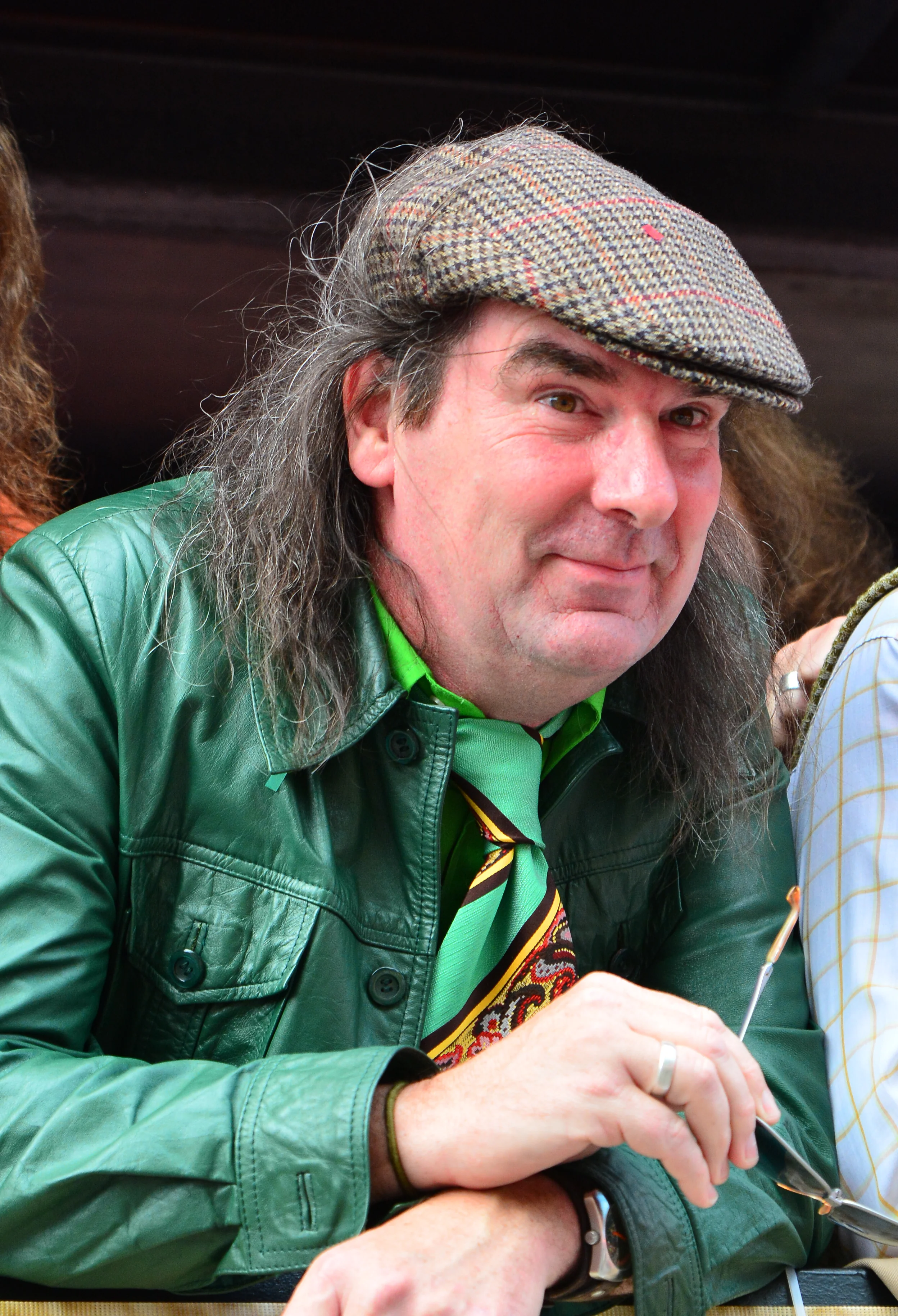
Guildo Horn & The Orthopaedic Stockings – Christmas with Guildo
A Christmas evening with cult factor: Guildo Horn makes Düsseldorf shine. Schlager, show, and festive atmosphere in the Mitsubishi Electric HALLE. #ChristmasWithGuildo
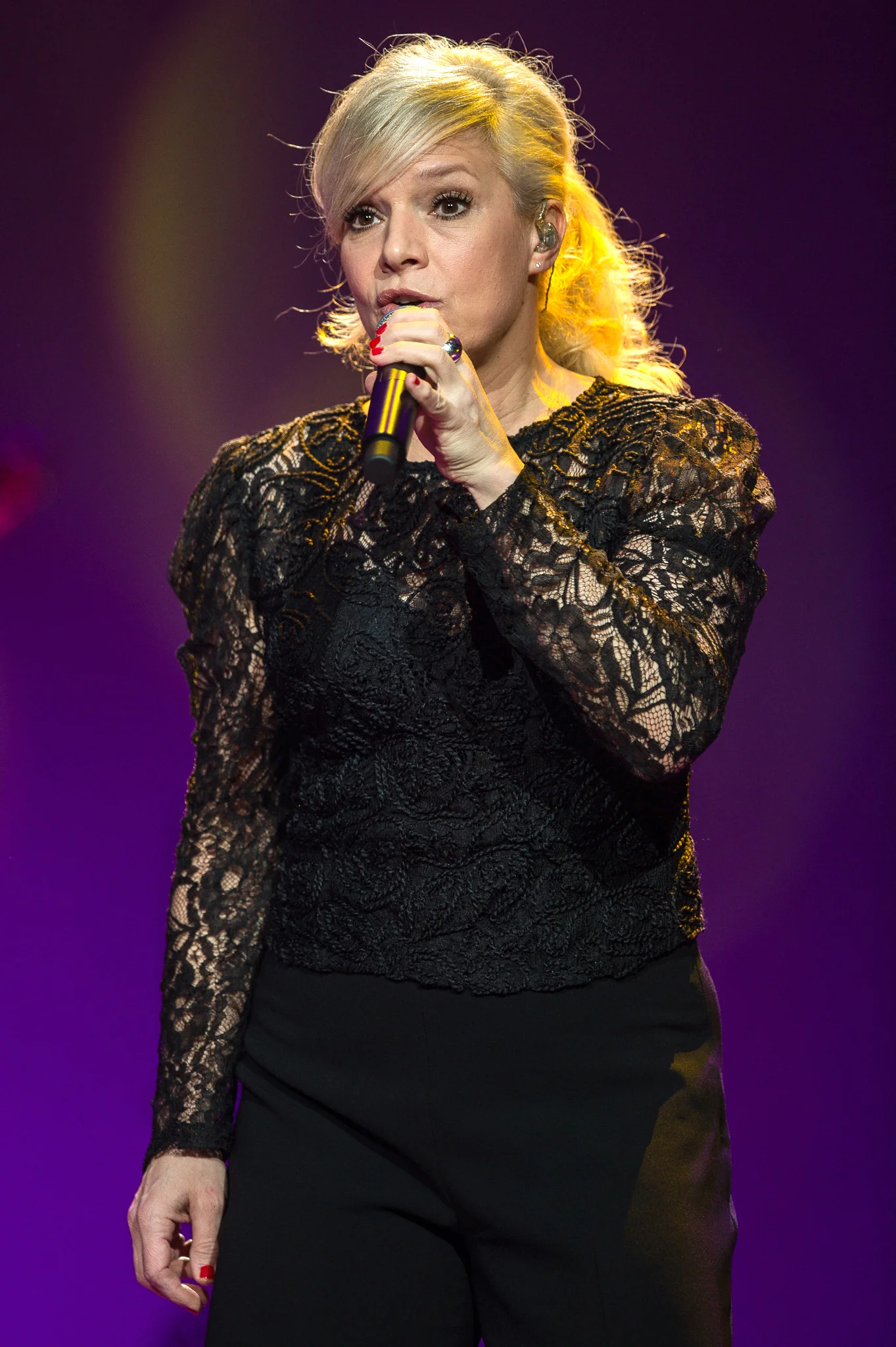
Ina Müller & Band: The 6.0 Tour
Ina Müller live in Düsseldorf: wit, warmth, and great songs meet band power. On 15.01.2027 at the Mitsubishi Electric HALLE. Secure your tickets now! #InaMüller
Frequently Asked Questions
Reviews
Lio
1. February 2026
The Miku Expo was really cool, the only thing I disliked was that there were so many drunk and mean people there who were verbally attacking anyone who was near them. The line for the merch was also very long and chaotic, and people kept fading near me.
Dominik Jacobs
9. February 2026
Really cool venue! Lots of space on the inside, plenty of drink and snack stations too. Easy to reach via train or on foot from the central station.
Lennart
11. February 2026
Parking was available in front of the hall ~1 hour before start of the concert and easily accessible. Fast access from Autobahn. Enough toilets and catering.
Tim Brooks
1. February 2026
Fantastic sound, and good popcorn! However… 1) Cloakroom organization is pathetic. Total bottleneck in the hallway after the show between people collecting jackets, leaving the area and going to the smoking area. For a venue that proudly displays its previous artists on the wall in the same hallway, this is substandard design. Get a proper queue system in place!!!! 2) Wristband pit/golden circle. This may have been the act’s request, but it’s still unnecessary. 3) Doesn’t really….”feel” like a music venue, more a corporate conference centre. We stayed in a nearby hotel, so cannot speak for parking, although this also looked chaotic! Location is 25 mins walk from Düsseldorf HBF, and right near a local station for S Bahn/U Bahn, so that’s decent…
Mathieu Henry
1. February 2026
Sound is okay, but it’s just an old concert venue and that shows. The most annoying thing is the complete lack of cloakroom, we went to a Biffy Clyro concert on the 22nd of January and it’s 6 degrees outside so everyone is wearing a winter coat, the employees of the Mitsubishi Electric Halle were 'surprised' that everyone brought a jacket so the cloakroom was already full 1.5 hours before the concert. There were no lockers and when I asked if I could put my jacket in a locker at Düsseldorf main station they answered that I cannot leave the hall as my ticket was already scanned. So we had our jackets in our arms for the entire concert. It was also extremely hot inside so I’ve seen multiple people faint. It’s a shame because it’s the basics that are completely wrong, could be easy to fix.