
Düsseldorf
Heinrich-Heine-Allee 16A, 40213 Düsseldorf-Stadtbezirk 1, Deutschland
Deutsche Oper am Rhein | Tickets & Schedule
The Deutsche Oper am Rhein is much more than just a single opera house: it is a theater community of the cities of Düsseldorf and Duisburg and has been one of the major opera houses in Germany since its founding in 1956. With two large stages in Düsseldorf and Duisburg, it offers a total of around 2,400 seats and approximately 270 performances per season. Thus, it is one of the most important addresses for opera, operetta, musical, ballet, and contemporary music theater in the Rhineland. In Düsseldorf, the opera house is located at Heinrich-Heine-Allee, particularly central, on the edge of the old town and between Hofgarten and Königsallee. Those looking for a cultural venue that combines tradition, diversity, and a clear visitor structure will find a solid presence here with a strong impact and a repertoire that appeals to different target groups. ([operamrhein.de](https://www.operamrhein.de/ueber-uns/oper/))
Tickets, Schedule, and Box Office
For many visitors, the opera evening begins long before the first curtain with the search for tickets, dates, and the right seat in the hall. The Deutsche Oper am Rhein sells tickets online through the official webshop, at the opera shop in Düsseldorf, and at the box office. The opera shop in Düsseldorf is open Monday to Friday from 10:00 AM to 7:00 PM and Saturday from 10:00 AM to 6:00 PM; the box office at the Düsseldorf opera house opens 60 minutes before the performance begins. Tickets are available for pre-sale until the end of the respective season, and the stated prices are final prices including fees. This is particularly convenient for guests who want to finalize their cultural planning early, but also for those who want to experience an evening at the opera or ballet spontaneously. Digital tickets can be shown directly on the smartphone, and a printout is not necessarily required. ([operamrhein.de](https://www.operamrhein.de/en/tickets/))
The search queries related to the Deutsche Oper am Rhein clearly show that many users are interested in specific productions, performance dates, and the quality of the visit. The house covers a wide range: opera, operetta, musical, ballet, contemporary music theater productions, repertoire for young audiences, as well as gala concerts and special events. This diversity makes the schedule relevant for both returning visitors and first-time guests alike. Those specifically searching for a title benefit from the clear program structure on the official site, which consolidates calendars, productions, and additional offers. For a city visit, this is attractive because one can combine the opera evening with a reservation, a dinner, or a walk through the old town. The opera thus becomes not only a place of performance but also a well-planned part of a whole Düsseldorf experience. ([operamrhein.de](https://www.operamrhein.de/ueber-uns/oper/))
Directions and Parking at the Düsseldorf Opera House
The location is one of the biggest advantages of this house. The Düsseldorf opera house at Heinrich-Heine-Allee is located on the edge of the old town, directly between Hofgarten and Königsallee, and is reachable on foot from the Rhine promenade. Those arriving by train can conveniently reach the house via the Heinrich-Heine-Allee stop; it is only three subway stations from Düsseldorf Central Station. This is a clear advantage, especially for visitors with little time or guests from outside, as orientation remains simple and the way into the building is short. For a location page, this is particularly important, as the central location is part of the experience just like the performance itself. The ticket ride in the VRR area is already included in the admission ticket on the event day, which makes the visit even more comfortable and allows for better planning of the journey. ([operamrhein.de](https://www.operamrhein.de/ihr-besuch/))
The opera house is also well connected by car when following the signs towards the city center and the parking guidance system towards the old town. As a central option, the house mentions the parking garage Grabbeplatz 5 at K20/Kunstsammlung. There, a theater rate applies, which is paid at the machine in the cloakroom foyer; the opera tunnel offers a direct, covered access to the opera foyer, is open 60 minutes before the performance begins, and is available again after the final applause. However, it is important to note: the underground path is not barrier-free as it leads over a staircase, and it remains closed during theater holidays. Additionally, the parking garage of the Kunsthalle Grabbeplatz 4 with its own theater rate is available. This information is particularly helpful for practical planning as it clearly states not only the parking options but also accessibility and the time frame. ([operamrhein.de](https://www.operamrhein.de/ihr-besuch/))
Seating Plan, Seats, and Capacity
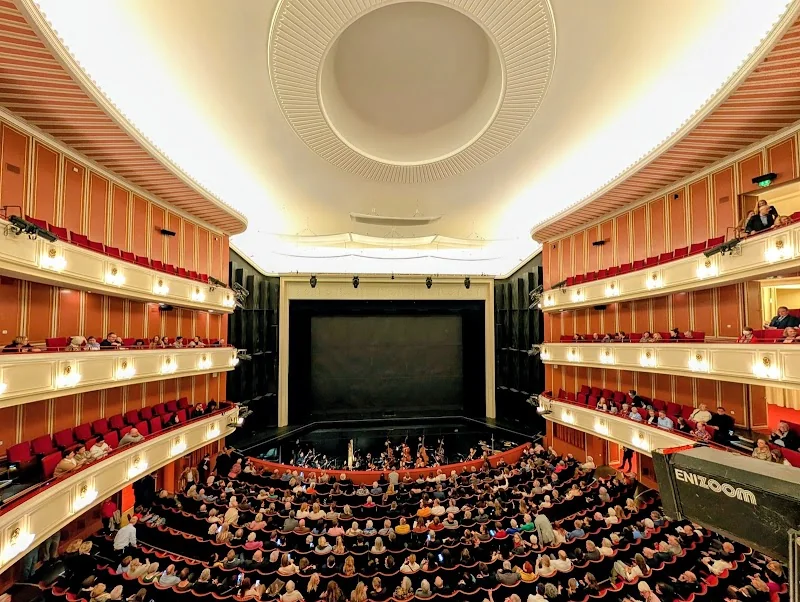
The auditorium of the Düsseldorf opera house is an important part of the visitor experience. After extensive renovations in 2006 and 2007, the house was visibly expanded; since then, a light-flooded orchestra and ballet rehearsal room as well as the distinctive glass facade have shaped the image at Hofgarten and Königsallee. Of particular interest to visitors is the capacity: a maximum of 1,296 guests can be accommodated in the house. Thus, the location is suitable for both large opera productions and special ballet evenings and gala formats. The official seating plan also shows the price zones from premium to G, allowing for very targeted seat selection. Those who prefer to sit centrally, pay attention to the best view, or prefer a specific area of the house can plan very precisely. This is particularly helpful for sought-after performances, as the seat selection then becomes part of the overall experience and budget decision. ([operamrhein.de](https://www.operamrhein.de/ihr-besuch/))
Equally important are the information on seating and access options that the seating plan and visitor pages of the Deutsche Oper am Rhein provide. The house has fixed wheelchair spaces in the orchestra, specifically in row 14 on the left and right. These seats are not bookable online but only by phone or directly at the opera shop to ensure they remain reliably available for people in need. For visitors with limited mobility, the house also recommends the edge seats in the orchestra, as they are easily accessible. For hearing impairments, an inductive hearing system is available in the orchestra and the second tier, which improves the sound experience with hearing aids or cochlear implants. Additionally, there is a barrier-free toilet on the lowest level in the cloakroom foyer and an elevator on the right side of the house that connects all floors. This clearly shows that a visit to the opera house is not only stylish but also practically well-organized. ([operamrhein.de](https://www.operamrhein.de/ihr-besuch/))
History and Architectural Profile
The history of the house gives the place additional depth. The new city theater was opened in 1875 according to plans by architect Ernst Giese and was modeled after the Italian Renaissance style. The building at that time, with its round front house and 1,260 seats, was considered a representative theater building with urban aspirations. In 1943, the theater was severely damaged by two air raids. After the war, there followed a phase of makeshift solutions before the opera house received its current appearance in the mid-1950s. The renovations according to plans by Julius Schulte Frohlinde, Paul Bonatz, and Ernst Huhn corrected the hasty war repairs and redefined the functional and aesthetic character of the house. The front house with its simple facade, the curved foyer stairs, and many stylistic elements of the 1950s is now listed as a historical monument. For visitors, this means: here one enters not only a venue but a culturally historical building with a visible layer of memory. ([operamrhein.de](https://www.operamrhein.de/ihr-besuch/))
The Deutsche Oper am Rhein itself was established in 1956 as a theater community of the cities of Düsseldorf and Duisburg and has since been one of the major opera houses in Germany. The house sees itself as a cultural engine of a densely populated region, where the two cities together have more than 1.1 million inhabitants. Around 600 people from 47 nations work at the Deutsche Oper am Rhein, and more than 300 guest artists from all over the world join each season. This structure shows why the location has significance far beyond the city limits: it bundles artistic personnel, orchestral tradition, choral work, dance, and young formats under one roof. At the same time, it is closely connected to the city, as its productions and events regularly appeal to different audiences. Those planning an evening here are therefore not only visiting a historically interesting building but a lively institution that consistently translates its tradition into the present. ([operamrhein.de](https://www.operamrhein.de/ueber-uns/oper/))
Ballet at the Rhine and Musical Diversity
The Ballet at the Rhine is a central part of the identity of this house. As a division of the Deutsche Oper am Rhein, the company can be experienced both at the Düsseldorf opera house and at the Duisburg theater. This is relevant for visitors because the name stands not only for a venue but for an ensemble-driven art form that is present at two municipal stages. Since the beginning of the 2015/16 season, the Ballet at the Rhine has also been training and rehearsing in a specially built ballet house in Düsseldorf-Bilk, directly near the historic Rhinebahn depot Am Steinberg. This shows how closely artistic production and urban structure are connected here. For ballet enthusiasts, this means a reliable professional infrastructure, and for first-time visitors, a clear address with strong recognition value. The term Deutsche Oper am Rhein / Ballett am Rhein thus stands not only for a program but for a functioning cultural model with two venues and its own rehearsal home. ([operamrhein.de](https://www.operamrhein.de/ueber-uns/ballett/))
The house also makes remarkable strides in the area of inclusion. Under the principle of Opera for All, the Deutsche Oper am Rhein offers the program Hearing and Feeling, with tactile tours and audio descriptions for visually impaired or blind theater enthusiasts; since the 2025/26 season, this also applies in the opera. For selected ballet performances, there are audio descriptions so that people with visual impairments can follow the stage action more intensively. Additionally, there are indications in the house for guide dogs upon prior registration as well as easily accessible catering counters in the orchestra and first tier foyer. In total, this creates a visitor experience that does not pit artistic quality against accessibility but connects them. This is exactly what makes the Deutsche Oper am Rhein an interesting cultural address for a broad audience: it is demanding but not off-putting, rich in tradition but open to new approaches. ([operamrhein.de](https://www.operamrhein.de/ueber-uns/oper/))
Accessibility, Service, and Gastronomy
The Deutsche Oper am Rhein places great importance on making the visit as pleasant as possible. The Düsseldorf opera house is accessible without steps, and the elevator on the right side of the house goes to all floors. At the same time, the house openly points out that it is a historical building with limited accessibility, which is particularly evident at the steps in the auditorium. That is why the information about the service is so important: there is walker storage in front of the auditorium doors, a barrier-free toilet on the lowest level in the cloakroom foyer, and several indications for guests with mobility restrictions that make the visit well-planned. For people with hearing aids, the inductive hearing system is available in the orchestra and second tier, and there are public parking spaces for people with disabilities in Ludwig-Zimmermann-Straße directly next to the opera house. These details are not just technical specifications but real orientation aids for a relaxed evening. ([operamrhein.de](https://www.operamrhein.de/ihr-besuch/))
The culinary aspect is also clearly organized. Starting from the 2025/26 season, D’Orphée Kulturgastronomie will provide wine, small dishes, and snacks at the Düsseldorf opera house before the performance and during the intermission. Guests can conveniently pre-order food and drinks, either on-site or online, and for evening events starting at 5:00 PM, the opera house opens 90 minutes before the performance begins for visitors who want to eat before the show. The counters in the orchestra and first tier foyer are barrier-free accessible, making the intermission visit much more pleasant. Together with the central location between Hofgarten, Königsallee, and the old town, this creates a rounded visitor picture: attending a performance, having a drink during the intermission, then strolling through the city center or ending the evening at the Rhine promenade. This combination of art, service, and location makes the Deutsche Oper am Rhein a venue with high recognition value and much practical usability. ([operamrhein.de](https://www.operamrhein.de/ihr-besuch/))
Sources:
Show moreShow less
Deutsche Oper am Rhein | Tickets & Schedule
The Deutsche Oper am Rhein is much more than just a single opera house: it is a theater community of the cities of Düsseldorf and Duisburg and has been one of the major opera houses in Germany since its founding in 1956. With two large stages in Düsseldorf and Duisburg, it offers a total of around 2,400 seats and approximately 270 performances per season. Thus, it is one of the most important addresses for opera, operetta, musical, ballet, and contemporary music theater in the Rhineland. In Düsseldorf, the opera house is located at Heinrich-Heine-Allee, particularly central, on the edge of the old town and between Hofgarten and Königsallee. Those looking for a cultural venue that combines tradition, diversity, and a clear visitor structure will find a solid presence here with a strong impact and a repertoire that appeals to different target groups. ([operamrhein.de](https://www.operamrhein.de/ueber-uns/oper/))
Tickets, Schedule, and Box Office
For many visitors, the opera evening begins long before the first curtain with the search for tickets, dates, and the right seat in the hall. The Deutsche Oper am Rhein sells tickets online through the official webshop, at the opera shop in Düsseldorf, and at the box office. The opera shop in Düsseldorf is open Monday to Friday from 10:00 AM to 7:00 PM and Saturday from 10:00 AM to 6:00 PM; the box office at the Düsseldorf opera house opens 60 minutes before the performance begins. Tickets are available for pre-sale until the end of the respective season, and the stated prices are final prices including fees. This is particularly convenient for guests who want to finalize their cultural planning early, but also for those who want to experience an evening at the opera or ballet spontaneously. Digital tickets can be shown directly on the smartphone, and a printout is not necessarily required. ([operamrhein.de](https://www.operamrhein.de/en/tickets/))
The search queries related to the Deutsche Oper am Rhein clearly show that many users are interested in specific productions, performance dates, and the quality of the visit. The house covers a wide range: opera, operetta, musical, ballet, contemporary music theater productions, repertoire for young audiences, as well as gala concerts and special events. This diversity makes the schedule relevant for both returning visitors and first-time guests alike. Those specifically searching for a title benefit from the clear program structure on the official site, which consolidates calendars, productions, and additional offers. For a city visit, this is attractive because one can combine the opera evening with a reservation, a dinner, or a walk through the old town. The opera thus becomes not only a place of performance but also a well-planned part of a whole Düsseldorf experience. ([operamrhein.de](https://www.operamrhein.de/ueber-uns/oper/))
Directions and Parking at the Düsseldorf Opera House
The location is one of the biggest advantages of this house. The Düsseldorf opera house at Heinrich-Heine-Allee is located on the edge of the old town, directly between Hofgarten and Königsallee, and is reachable on foot from the Rhine promenade. Those arriving by train can conveniently reach the house via the Heinrich-Heine-Allee stop; it is only three subway stations from Düsseldorf Central Station. This is a clear advantage, especially for visitors with little time or guests from outside, as orientation remains simple and the way into the building is short. For a location page, this is particularly important, as the central location is part of the experience just like the performance itself. The ticket ride in the VRR area is already included in the admission ticket on the event day, which makes the visit even more comfortable and allows for better planning of the journey. ([operamrhein.de](https://www.operamrhein.de/ihr-besuch/))
The opera house is also well connected by car when following the signs towards the city center and the parking guidance system towards the old town. As a central option, the house mentions the parking garage Grabbeplatz 5 at K20/Kunstsammlung. There, a theater rate applies, which is paid at the machine in the cloakroom foyer; the opera tunnel offers a direct, covered access to the opera foyer, is open 60 minutes before the performance begins, and is available again after the final applause. However, it is important to note: the underground path is not barrier-free as it leads over a staircase, and it remains closed during theater holidays. Additionally, the parking garage of the Kunsthalle Grabbeplatz 4 with its own theater rate is available. This information is particularly helpful for practical planning as it clearly states not only the parking options but also accessibility and the time frame. ([operamrhein.de](https://www.operamrhein.de/ihr-besuch/))
Seating Plan, Seats, and Capacity
The auditorium of the Düsseldorf opera house is an important part of the visitor experience. After extensive renovations in 2006 and 2007, the house was visibly expanded; since then, a light-flooded orchestra and ballet rehearsal room as well as the distinctive glass facade have shaped the image at Hofgarten and Königsallee. Of particular interest to visitors is the capacity: a maximum of 1,296 guests can be accommodated in the house. Thus, the location is suitable for both large opera productions and special ballet evenings and gala formats. The official seating plan also shows the price zones from premium to G, allowing for very targeted seat selection. Those who prefer to sit centrally, pay attention to the best view, or prefer a specific area of the house can plan very precisely. This is particularly helpful for sought-after performances, as the seat selection then becomes part of the overall experience and budget decision. ([operamrhein.de](https://www.operamrhein.de/ihr-besuch/))
Equally important are the information on seating and access options that the seating plan and visitor pages of the Deutsche Oper am Rhein provide. The house has fixed wheelchair spaces in the orchestra, specifically in row 14 on the left and right. These seats are not bookable online but only by phone or directly at the opera shop to ensure they remain reliably available for people in need. For visitors with limited mobility, the house also recommends the edge seats in the orchestra, as they are easily accessible. For hearing impairments, an inductive hearing system is available in the orchestra and the second tier, which improves the sound experience with hearing aids or cochlear implants. Additionally, there is a barrier-free toilet on the lowest level in the cloakroom foyer and an elevator on the right side of the house that connects all floors. This clearly shows that a visit to the opera house is not only stylish but also practically well-organized. ([operamrhein.de](https://www.operamrhein.de/ihr-besuch/))
History and Architectural Profile
The history of the house gives the place additional depth. The new city theater was opened in 1875 according to plans by architect Ernst Giese and was modeled after the Italian Renaissance style. The building at that time, with its round front house and 1,260 seats, was considered a representative theater building with urban aspirations. In 1943, the theater was severely damaged by two air raids. After the war, there followed a phase of makeshift solutions before the opera house received its current appearance in the mid-1950s. The renovations according to plans by Julius Schulte Frohlinde, Paul Bonatz, and Ernst Huhn corrected the hasty war repairs and redefined the functional and aesthetic character of the house. The front house with its simple facade, the curved foyer stairs, and many stylistic elements of the 1950s is now listed as a historical monument. For visitors, this means: here one enters not only a venue but a culturally historical building with a visible layer of memory. ([operamrhein.de](https://www.operamrhein.de/ihr-besuch/))
The Deutsche Oper am Rhein itself was established in 1956 as a theater community of the cities of Düsseldorf and Duisburg and has since been one of the major opera houses in Germany. The house sees itself as a cultural engine of a densely populated region, where the two cities together have more than 1.1 million inhabitants. Around 600 people from 47 nations work at the Deutsche Oper am Rhein, and more than 300 guest artists from all over the world join each season. This structure shows why the location has significance far beyond the city limits: it bundles artistic personnel, orchestral tradition, choral work, dance, and young formats under one roof. At the same time, it is closely connected to the city, as its productions and events regularly appeal to different audiences. Those planning an evening here are therefore not only visiting a historically interesting building but a lively institution that consistently translates its tradition into the present. ([operamrhein.de](https://www.operamrhein.de/ueber-uns/oper/))
Ballet at the Rhine and Musical Diversity
The Ballet at the Rhine is a central part of the identity of this house. As a division of the Deutsche Oper am Rhein, the company can be experienced both at the Düsseldorf opera house and at the Duisburg theater. This is relevant for visitors because the name stands not only for a venue but for an ensemble-driven art form that is present at two municipal stages. Since the beginning of the 2015/16 season, the Ballet at the Rhine has also been training and rehearsing in a specially built ballet house in Düsseldorf-Bilk, directly near the historic Rhinebahn depot Am Steinberg. This shows how closely artistic production and urban structure are connected here. For ballet enthusiasts, this means a reliable professional infrastructure, and for first-time visitors, a clear address with strong recognition value. The term Deutsche Oper am Rhein / Ballett am Rhein thus stands not only for a program but for a functioning cultural model with two venues and its own rehearsal home. ([operamrhein.de](https://www.operamrhein.de/ueber-uns/ballett/))
The house also makes remarkable strides in the area of inclusion. Under the principle of Opera for All, the Deutsche Oper am Rhein offers the program Hearing and Feeling, with tactile tours and audio descriptions for visually impaired or blind theater enthusiasts; since the 2025/26 season, this also applies in the opera. For selected ballet performances, there are audio descriptions so that people with visual impairments can follow the stage action more intensively. Additionally, there are indications in the house for guide dogs upon prior registration as well as easily accessible catering counters in the orchestra and first tier foyer. In total, this creates a visitor experience that does not pit artistic quality against accessibility but connects them. This is exactly what makes the Deutsche Oper am Rhein an interesting cultural address for a broad audience: it is demanding but not off-putting, rich in tradition but open to new approaches. ([operamrhein.de](https://www.operamrhein.de/ueber-uns/oper/))
Accessibility, Service, and Gastronomy
The Deutsche Oper am Rhein places great importance on making the visit as pleasant as possible. The Düsseldorf opera house is accessible without steps, and the elevator on the right side of the house goes to all floors. At the same time, the house openly points out that it is a historical building with limited accessibility, which is particularly evident at the steps in the auditorium. That is why the information about the service is so important: there is walker storage in front of the auditorium doors, a barrier-free toilet on the lowest level in the cloakroom foyer, and several indications for guests with mobility restrictions that make the visit well-planned. For people with hearing aids, the inductive hearing system is available in the orchestra and second tier, and there are public parking spaces for people with disabilities in Ludwig-Zimmermann-Straße directly next to the opera house. These details are not just technical specifications but real orientation aids for a relaxed evening. ([operamrhein.de](https://www.operamrhein.de/ihr-besuch/))
The culinary aspect is also clearly organized. Starting from the 2025/26 season, D’Orphée Kulturgastronomie will provide wine, small dishes, and snacks at the Düsseldorf opera house before the performance and during the intermission. Guests can conveniently pre-order food and drinks, either on-site or online, and for evening events starting at 5:00 PM, the opera house opens 90 minutes before the performance begins for visitors who want to eat before the show. The counters in the orchestra and first tier foyer are barrier-free accessible, making the intermission visit much more pleasant. Together with the central location between Hofgarten, Königsallee, and the old town, this creates a rounded visitor picture: attending a performance, having a drink during the intermission, then strolling through the city center or ending the evening at the Rhine promenade. This combination of art, service, and location makes the Deutsche Oper am Rhein a venue with high recognition value and much practical usability. ([operamrhein.de](https://www.operamrhein.de/ihr-besuch/))
Sources:
Deutsche Oper am Rhein | Tickets & Schedule
The Deutsche Oper am Rhein is much more than just a single opera house: it is a theater community of the cities of Düsseldorf and Duisburg and has been one of the major opera houses in Germany since its founding in 1956. With two large stages in Düsseldorf and Duisburg, it offers a total of around 2,400 seats and approximately 270 performances per season. Thus, it is one of the most important addresses for opera, operetta, musical, ballet, and contemporary music theater in the Rhineland. In Düsseldorf, the opera house is located at Heinrich-Heine-Allee, particularly central, on the edge of the old town and between Hofgarten and Königsallee. Those looking for a cultural venue that combines tradition, diversity, and a clear visitor structure will find a solid presence here with a strong impact and a repertoire that appeals to different target groups. ([operamrhein.de](https://www.operamrhein.de/ueber-uns/oper/))
Tickets, Schedule, and Box Office
For many visitors, the opera evening begins long before the first curtain with the search for tickets, dates, and the right seat in the hall. The Deutsche Oper am Rhein sells tickets online through the official webshop, at the opera shop in Düsseldorf, and at the box office. The opera shop in Düsseldorf is open Monday to Friday from 10:00 AM to 7:00 PM and Saturday from 10:00 AM to 6:00 PM; the box office at the Düsseldorf opera house opens 60 minutes before the performance begins. Tickets are available for pre-sale until the end of the respective season, and the stated prices are final prices including fees. This is particularly convenient for guests who want to finalize their cultural planning early, but also for those who want to experience an evening at the opera or ballet spontaneously. Digital tickets can be shown directly on the smartphone, and a printout is not necessarily required. ([operamrhein.de](https://www.operamrhein.de/en/tickets/))
The search queries related to the Deutsche Oper am Rhein clearly show that many users are interested in specific productions, performance dates, and the quality of the visit. The house covers a wide range: opera, operetta, musical, ballet, contemporary music theater productions, repertoire for young audiences, as well as gala concerts and special events. This diversity makes the schedule relevant for both returning visitors and first-time guests alike. Those specifically searching for a title benefit from the clear program structure on the official site, which consolidates calendars, productions, and additional offers. For a city visit, this is attractive because one can combine the opera evening with a reservation, a dinner, or a walk through the old town. The opera thus becomes not only a place of performance but also a well-planned part of a whole Düsseldorf experience. ([operamrhein.de](https://www.operamrhein.de/ueber-uns/oper/))
Directions and Parking at the Düsseldorf Opera House
The location is one of the biggest advantages of this house. The Düsseldorf opera house at Heinrich-Heine-Allee is located on the edge of the old town, directly between Hofgarten and Königsallee, and is reachable on foot from the Rhine promenade. Those arriving by train can conveniently reach the house via the Heinrich-Heine-Allee stop; it is only three subway stations from Düsseldorf Central Station. This is a clear advantage, especially for visitors with little time or guests from outside, as orientation remains simple and the way into the building is short. For a location page, this is particularly important, as the central location is part of the experience just like the performance itself. The ticket ride in the VRR area is already included in the admission ticket on the event day, which makes the visit even more comfortable and allows for better planning of the journey. ([operamrhein.de](https://www.operamrhein.de/ihr-besuch/))
The opera house is also well connected by car when following the signs towards the city center and the parking guidance system towards the old town. As a central option, the house mentions the parking garage Grabbeplatz 5 at K20/Kunstsammlung. There, a theater rate applies, which is paid at the machine in the cloakroom foyer; the opera tunnel offers a direct, covered access to the opera foyer, is open 60 minutes before the performance begins, and is available again after the final applause. However, it is important to note: the underground path is not barrier-free as it leads over a staircase, and it remains closed during theater holidays. Additionally, the parking garage of the Kunsthalle Grabbeplatz 4 with its own theater rate is available. This information is particularly helpful for practical planning as it clearly states not only the parking options but also accessibility and the time frame. ([operamrhein.de](https://www.operamrhein.de/ihr-besuch/))
Seating Plan, Seats, and Capacity
The auditorium of the Düsseldorf opera house is an important part of the visitor experience. After extensive renovations in 2006 and 2007, the house was visibly expanded; since then, a light-flooded orchestra and ballet rehearsal room as well as the distinctive glass facade have shaped the image at Hofgarten and Königsallee. Of particular interest to visitors is the capacity: a maximum of 1,296 guests can be accommodated in the house. Thus, the location is suitable for both large opera productions and special ballet evenings and gala formats. The official seating plan also shows the price zones from premium to G, allowing for very targeted seat selection. Those who prefer to sit centrally, pay attention to the best view, or prefer a specific area of the house can plan very precisely. This is particularly helpful for sought-after performances, as the seat selection then becomes part of the overall experience and budget decision. ([operamrhein.de](https://www.operamrhein.de/ihr-besuch/))
Equally important are the information on seating and access options that the seating plan and visitor pages of the Deutsche Oper am Rhein provide. The house has fixed wheelchair spaces in the orchestra, specifically in row 14 on the left and right. These seats are not bookable online but only by phone or directly at the opera shop to ensure they remain reliably available for people in need. For visitors with limited mobility, the house also recommends the edge seats in the orchestra, as they are easily accessible. For hearing impairments, an inductive hearing system is available in the orchestra and the second tier, which improves the sound experience with hearing aids or cochlear implants. Additionally, there is a barrier-free toilet on the lowest level in the cloakroom foyer and an elevator on the right side of the house that connects all floors. This clearly shows that a visit to the opera house is not only stylish but also practically well-organized. ([operamrhein.de](https://www.operamrhein.de/ihr-besuch/))
History and Architectural Profile
The history of the house gives the place additional depth. The new city theater was opened in 1875 according to plans by architect Ernst Giese and was modeled after the Italian Renaissance style. The building at that time, with its round front house and 1,260 seats, was considered a representative theater building with urban aspirations. In 1943, the theater was severely damaged by two air raids. After the war, there followed a phase of makeshift solutions before the opera house received its current appearance in the mid-1950s. The renovations according to plans by Julius Schulte Frohlinde, Paul Bonatz, and Ernst Huhn corrected the hasty war repairs and redefined the functional and aesthetic character of the house. The front house with its simple facade, the curved foyer stairs, and many stylistic elements of the 1950s is now listed as a historical monument. For visitors, this means: here one enters not only a venue but a culturally historical building with a visible layer of memory. ([operamrhein.de](https://www.operamrhein.de/ihr-besuch/))
The Deutsche Oper am Rhein itself was established in 1956 as a theater community of the cities of Düsseldorf and Duisburg and has since been one of the major opera houses in Germany. The house sees itself as a cultural engine of a densely populated region, where the two cities together have more than 1.1 million inhabitants. Around 600 people from 47 nations work at the Deutsche Oper am Rhein, and more than 300 guest artists from all over the world join each season. This structure shows why the location has significance far beyond the city limits: it bundles artistic personnel, orchestral tradition, choral work, dance, and young formats under one roof. At the same time, it is closely connected to the city, as its productions and events regularly appeal to different audiences. Those planning an evening here are therefore not only visiting a historically interesting building but a lively institution that consistently translates its tradition into the present. ([operamrhein.de](https://www.operamrhein.de/ueber-uns/oper/))
Ballet at the Rhine and Musical Diversity
The Ballet at the Rhine is a central part of the identity of this house. As a division of the Deutsche Oper am Rhein, the company can be experienced both at the Düsseldorf opera house and at the Duisburg theater. This is relevant for visitors because the name stands not only for a venue but for an ensemble-driven art form that is present at two municipal stages. Since the beginning of the 2015/16 season, the Ballet at the Rhine has also been training and rehearsing in a specially built ballet house in Düsseldorf-Bilk, directly near the historic Rhinebahn depot Am Steinberg. This shows how closely artistic production and urban structure are connected here. For ballet enthusiasts, this means a reliable professional infrastructure, and for first-time visitors, a clear address with strong recognition value. The term Deutsche Oper am Rhein / Ballett am Rhein thus stands not only for a program but for a functioning cultural model with two venues and its own rehearsal home. ([operamrhein.de](https://www.operamrhein.de/ueber-uns/ballett/))
The house also makes remarkable strides in the area of inclusion. Under the principle of Opera for All, the Deutsche Oper am Rhein offers the program Hearing and Feeling, with tactile tours and audio descriptions for visually impaired or blind theater enthusiasts; since the 2025/26 season, this also applies in the opera. For selected ballet performances, there are audio descriptions so that people with visual impairments can follow the stage action more intensively. Additionally, there are indications in the house for guide dogs upon prior registration as well as easily accessible catering counters in the orchestra and first tier foyer. In total, this creates a visitor experience that does not pit artistic quality against accessibility but connects them. This is exactly what makes the Deutsche Oper am Rhein an interesting cultural address for a broad audience: it is demanding but not off-putting, rich in tradition but open to new approaches. ([operamrhein.de](https://www.operamrhein.de/ueber-uns/oper/))
Accessibility, Service, and Gastronomy
The Deutsche Oper am Rhein places great importance on making the visit as pleasant as possible. The Düsseldorf opera house is accessible without steps, and the elevator on the right side of the house goes to all floors. At the same time, the house openly points out that it is a historical building with limited accessibility, which is particularly evident at the steps in the auditorium. That is why the information about the service is so important: there is walker storage in front of the auditorium doors, a barrier-free toilet on the lowest level in the cloakroom foyer, and several indications for guests with mobility restrictions that make the visit well-planned. For people with hearing aids, the inductive hearing system is available in the orchestra and second tier, and there are public parking spaces for people with disabilities in Ludwig-Zimmermann-Straße directly next to the opera house. These details are not just technical specifications but real orientation aids for a relaxed evening. ([operamrhein.de](https://www.operamrhein.de/ihr-besuch/))
The culinary aspect is also clearly organized. Starting from the 2025/26 season, D’Orphée Kulturgastronomie will provide wine, small dishes, and snacks at the Düsseldorf opera house before the performance and during the intermission. Guests can conveniently pre-order food and drinks, either on-site or online, and for evening events starting at 5:00 PM, the opera house opens 90 minutes before the performance begins for visitors who want to eat before the show. The counters in the orchestra and first tier foyer are barrier-free accessible, making the intermission visit much more pleasant. Together with the central location between Hofgarten, Königsallee, and the old town, this creates a rounded visitor picture: attending a performance, having a drink during the intermission, then strolling through the city center or ending the evening at the Rhine promenade. This combination of art, service, and location makes the Deutsche Oper am Rhein a venue with high recognition value and much practical usability. ([operamrhein.de](https://www.operamrhein.de/ihr-besuch/))
Sources:
Upcoming Events
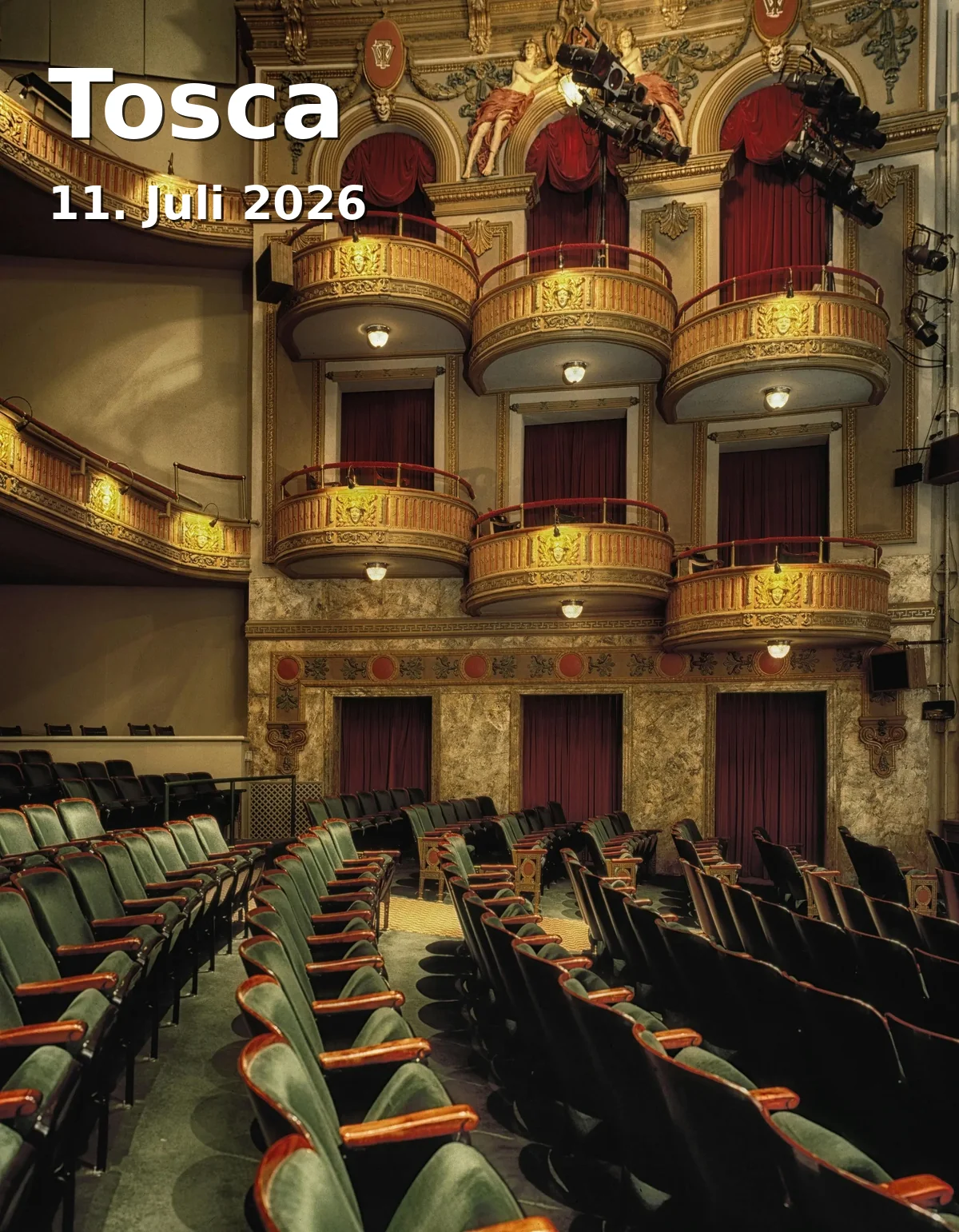
Tosca
Enjoy Puccini's opera Tosca at the opera house Düsseldorf. Part of the summer opera season, an unforgettable experience.
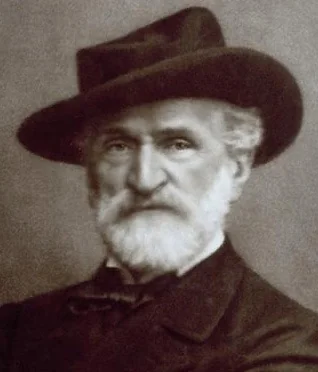
Giuseppe Verdi's Il trovatore
Experience Verdi's masterpiece Il trovatore at the Düsseldorf Opera House. An exciting opera evening awaits you.
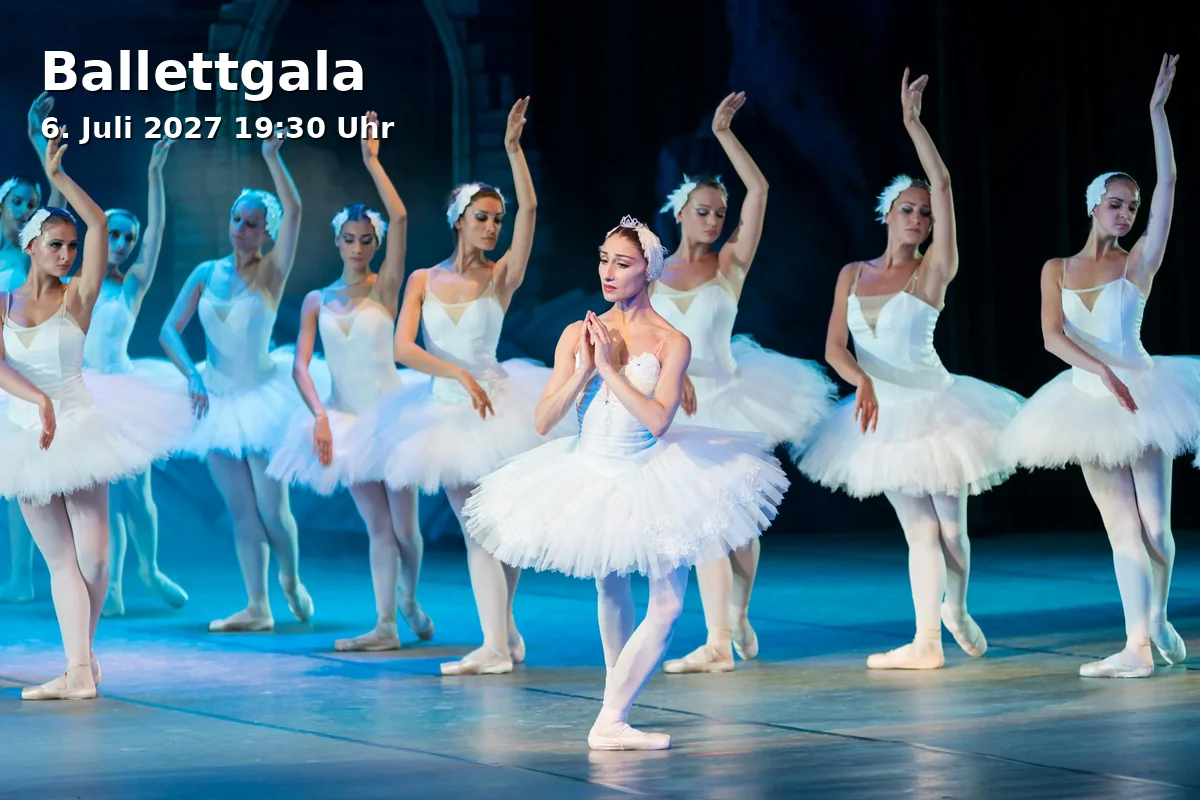
Ballet Gala
A festive dance evening full of virtuosity and atmosphere at the Düsseldorf Opera House: The Ballet Gala brings international guests, elegance, and excitement to the stage. 06.07.2027, 19:30. #Ballet
Frequently Asked Questions
Reviews
Nutnaree Elle C.
1. January 2026
A very nice opera house. Just one note we sat in the back row and the seats are a bit squeaky, however you can still see everything on the stage. Other than that it was a nice experience.
Deborah Hadley
29. April 2023
Incredible place. Highly recommend the behind the scenes tour, it was so interesting to see how it all works. Our guide, Aki was fantastic. Saw Turandot a few days later and it was enlightening knowing the backstage workings a bit more.
G. B.
22. March 2023
My first Wagner opera in live performance. Axel Kober and all the cast did outstanding job. The orchestra sounded close to perfection, wind instruments were so clean and sensitive (what a dynamic range and incredible phrasings!). Singers performed greatly as well. Mime’s artistic acting should be noted separately. Even though in general I dislike modernist, so called regietheater stagings, this one was quite interesting with many symbolic elements. Lighting, stage design, costumes were quite interesting too. So, kudos to everyone! Audience was well mannered without creating unnecessary noises with mobiles and movements. The hall itself is rather small but cosy, acoustics is top notch. Highly recommend to visit.
Yuheng Zhang
19. January 2025
Watched last night. The stage was relatively small, supreme orchestral work and good singers, while stage arrangements was not dramatic enough for a Puccini work. Very warm audience but only two times curtain calls.
Thilo Boeck
22. December 2024
Just saw a breathtaking performance of Lucia di Lammermoor. The performance and staging was stunning. The opera house has its charm, quite interesting.