
- Exhibitions & Museums
- Relaxed
- Inside
Anita Oettershagen's Salix at Malkasten: Nature Becomes a Textile Sculpture
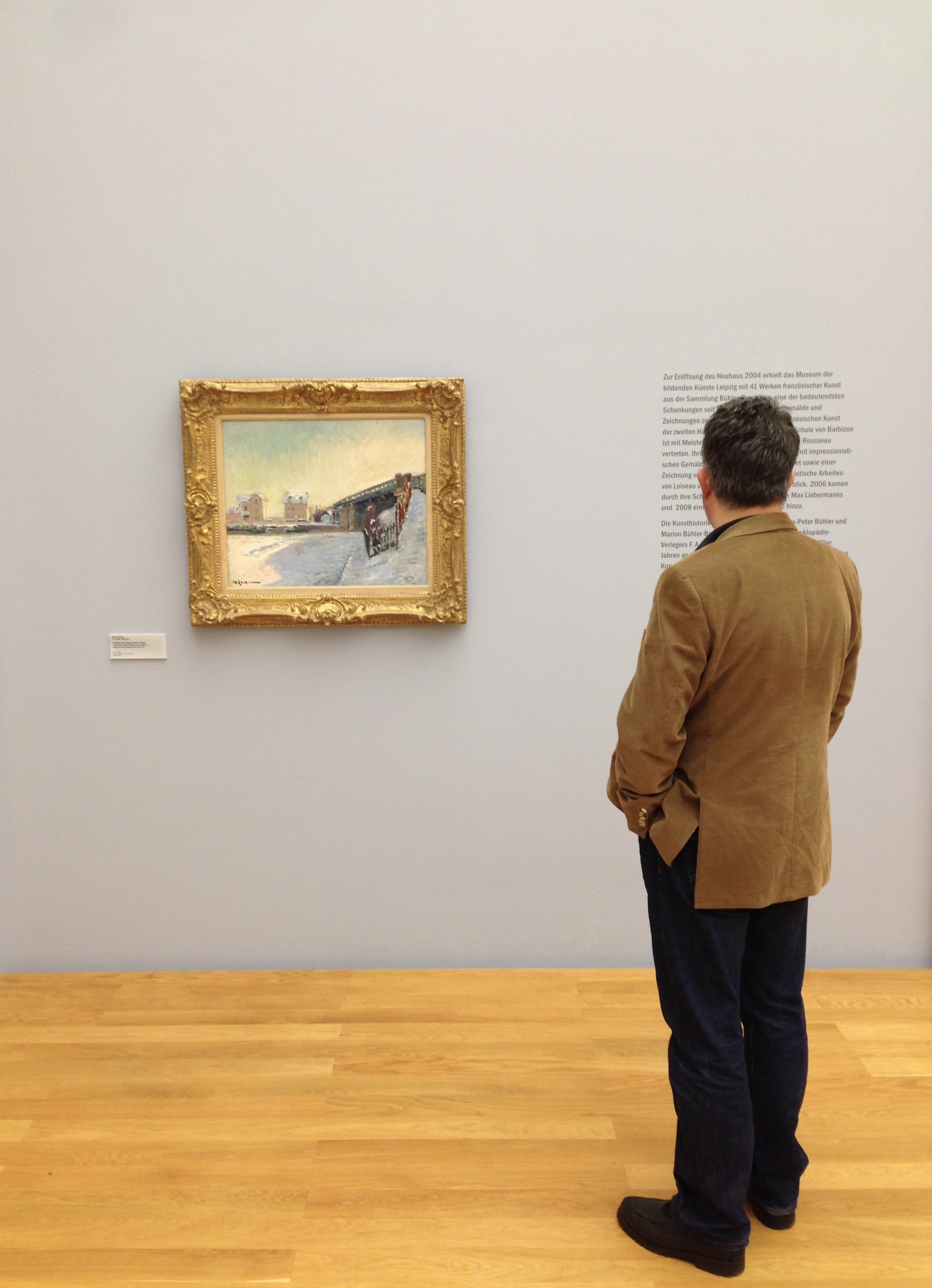
- Date and Time
- 12. December 2026, 11:00
- Location
- Düsseldorf40 Düsseldorf, Deutschland
About this Event
Anita Oettershagen: Salix – Nature as a Textile Sculpture at the Malkasten Artists' Association
With the exhibition Salix, Anita Oettershagen transforms botanical forms into an independent, sensually perceivable artistic language. In the showcase at the Hentrichhaus of the Malkasten Artists' Association, a textile sculpture encounters the architecture of the post-war period and opens a focused dialogue between nature, material, and space.
The Willow as a Symbol of Change and Vitality
Salix is the botanical designation for the willow, a plant genus from the Salicaceae family. Particularly the weeping willow embodies a symbolic multiplicity: its flexible branches, its hanging form, and its ability to rejuvenate represent flexibility, change, and vitality. Anita Oettershagen translates these natural qualities not into a lifelike representation but into a poetic metamorphosis.
Salix 06: Bark, Skin, and Organic Form
At the center of the exhibition is the work Salix 06 from the year 2026. The red body recalls the outer shape and structural effect of the bark of old willows, yet its intense color opens a new field of perception. Sewn wool felt and polyester yarn merge into a three-dimensional sculpture measuring 195 × 63 × 40 centimeters.
The surface appears both soft and resistant, corporeal and abstract. It evokes bark, skin, nest, or cocoon, without representing any of these natural forms directly. It is precisely in this intermediate zone that the aesthetic experience of the exhibition arises: The familiar appears transformed and invites a slow, attentive consideration of the work.
Material as a Creative Partner
Anita Oettershagen's artistic practice is based on an intensive engagement with natural forms, structures, and surfaces. For her textile sculptures, she developed the technique of sewing. Parallel seams create varying rhythms, condense the material, and allow flat fabrics to become plastic bodies.
Collected twigs are also part of her working process. They serve the artist as brushes and connect immediate natural observation with an open, experimental form-finding. Craft precision meets the idiosyncrasy of felt, thread, and fabric. Thus, objects emerge in which chance, repetition, and organic growth intertwine artfully.
A Quiet Exhibition with Great Spatial Impact
In the showcase of the Hentrichhaus, the sculpture enters into a thrilling exchange with the architecture. The protected interior contrasts with the wintry outside world and gives the installation a concentrated, almost contemplative atmosphere. The red object appears as a corporeal presence between artifact and natural phenomenon.
The exhibition complements the presentation Garden of Possibilities at the Malkastenforum, which reflects nature in its timeless complexity. Both projects connect artistic research, cultural education, and the question of how nature becomes visible, tangible, and reimaginable in contemporary art.
Art Historical Placement and Artist Biography
Oettershagen's work moves within the intersection of sculpture, textile art, and abstract natural observation. The artist, born in 1946, first studied at the Textile Engineering School in Krefeld and then Fine Arts and Art Science at the State Art Academy Düsseldorf, where she was a master's student of Alfonso Hüppi. From 1983 to 2010, she taught design theory and textile design at the University of Applied Sciences Niederrhein.
Since 1980, Anita Oettershagen has participated in exhibitions both domestically and internationally. Her textile objects are characterized by dense, dynamic surfaces and a subtle engagement with transience. The works show how autonomous sculptures are created from textile material, which do not imitate nature but transfer it into a new visual and tactile order.
Conclusion: Nature as a Living Aesthetic Experience
Salix invites to a concentrated art experience that connects botanical symbolism, textile sculpture, and architectural spatial impact. Visitors experience an exhibition where bark, skin, nest, and plant appear as open images of memory. Those wishing to discover contemporary art, material poetics, and the fragile relationship between nature and culture should definitely view this installation live at the Malkasten Artists' Association.
Official Channels of Anita Oettershagen:
- Instagram: no official profile found
- Facebook: no official profile found
- YouTube: no official profile found
- Website: https://anita-oettershagen.de/
Sources:
Frequently Asked Questions
Ähnliche Veranstaltungen
 6,00 €
22. Sep. 2026 11:0022. September 2026 11:00
I, etcetera
Ausstellungen
 6,00 €
23. Sep. 2026 11:0023. September 2026 11:00
I, etcetera
Ausstellungen
 6,00 €
24. Sep. 2026 11:0024. September 2026 11:00
I, etcetera
Ausstellungen
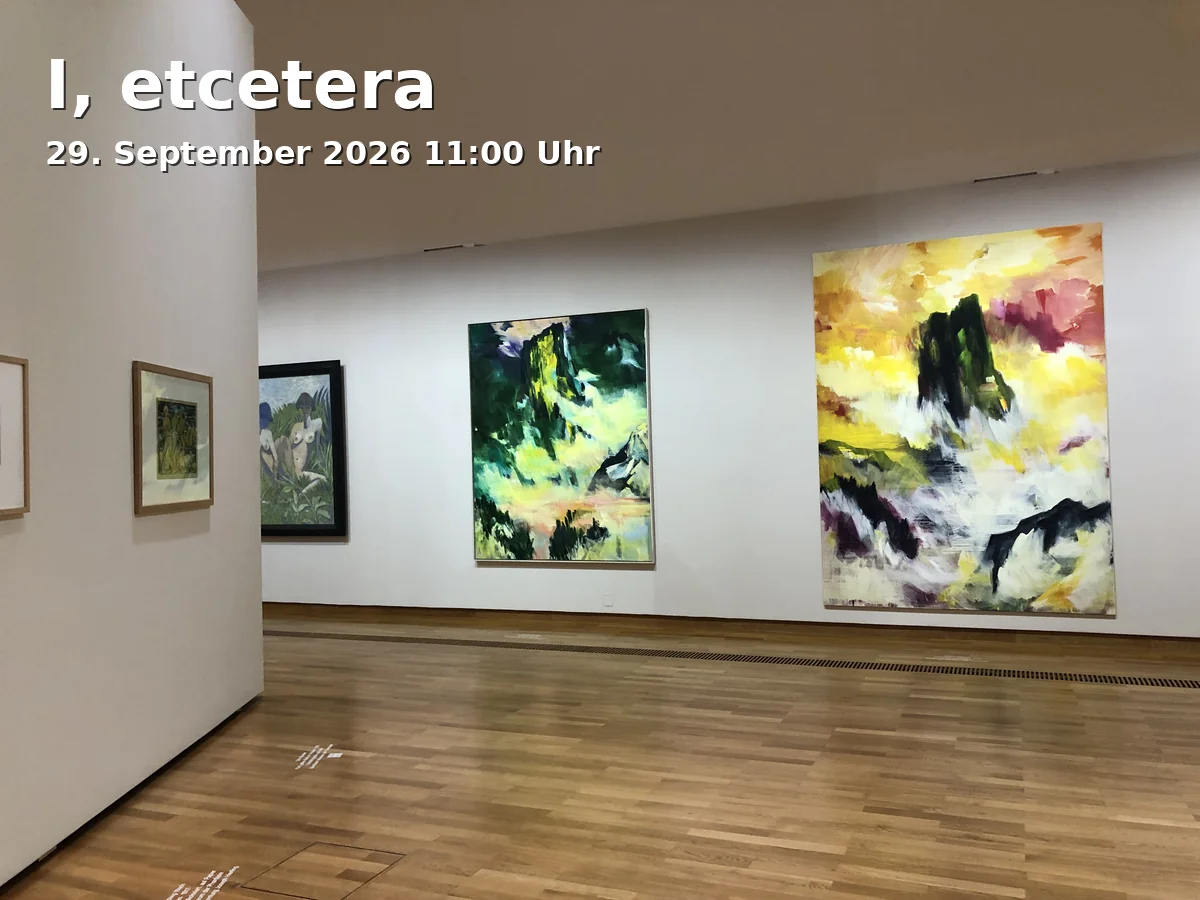 6,00 €
29. Sep. 2026 11:0029. September 2026 11:00
I, etcetera
Ausstellungen
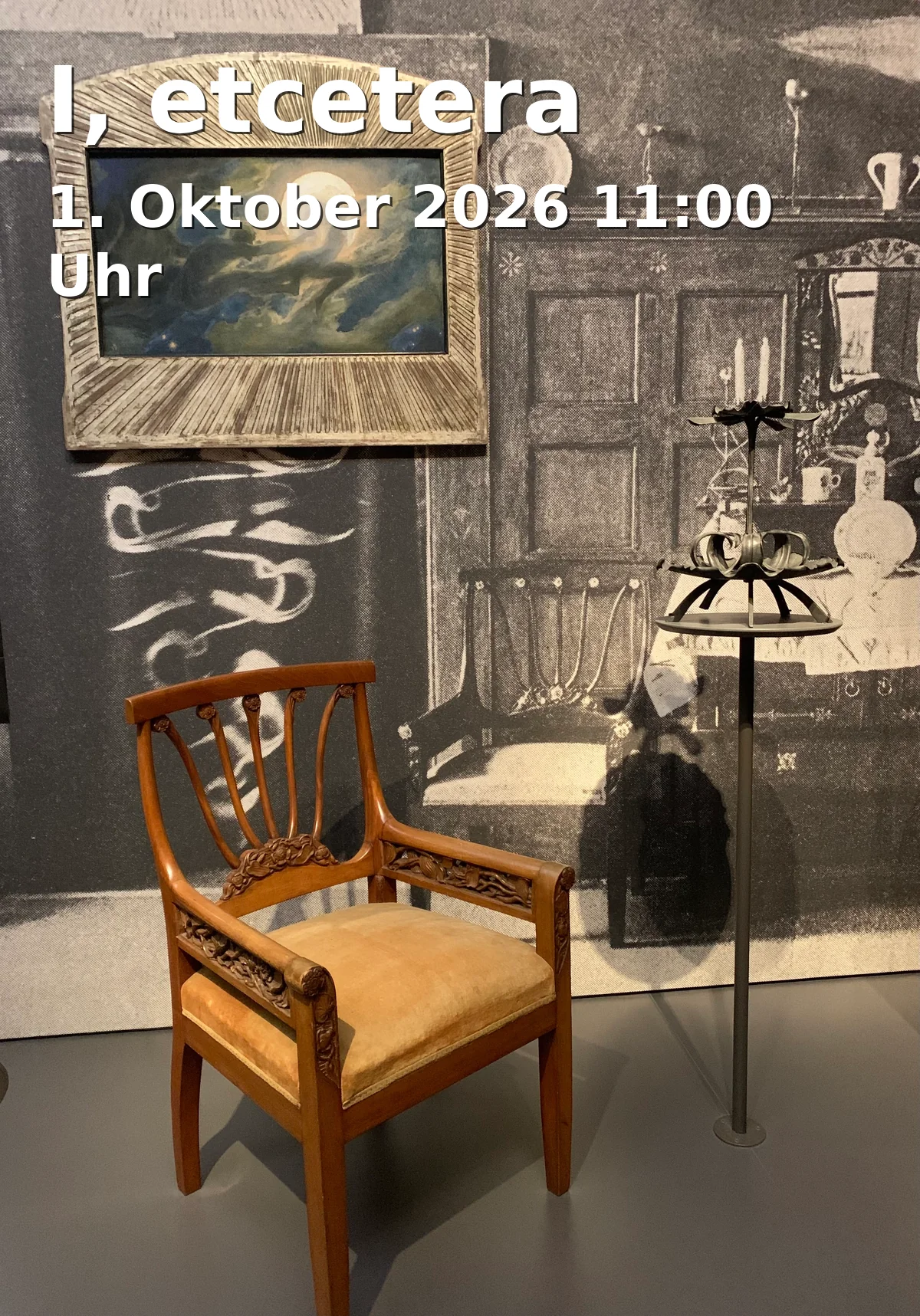 6,00 €
1. Okt. 2026 11:001. Oktober 2026 11:00
I, etcetera
Ausstellungen
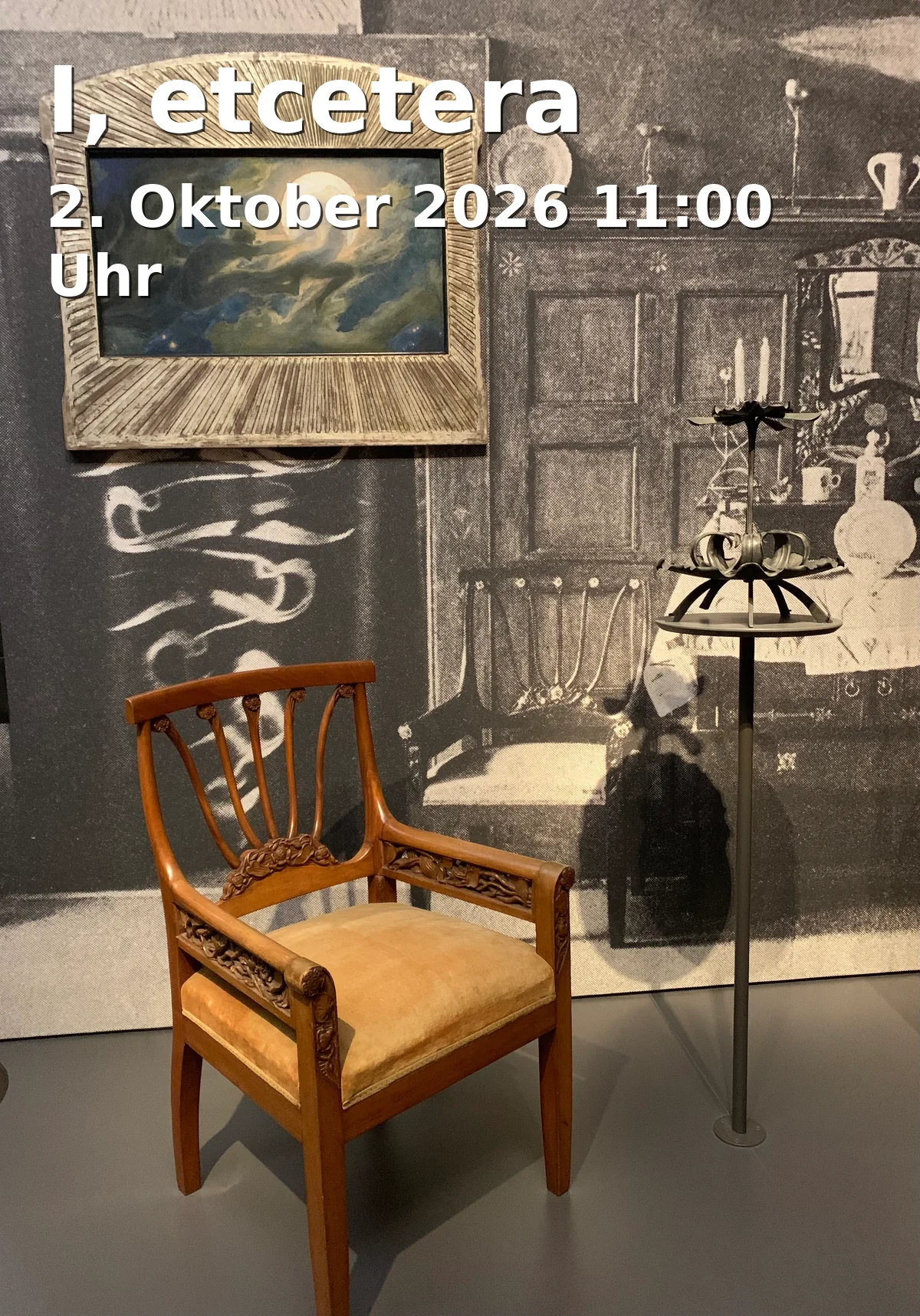 Kostenlos
2. Okt. 2026 11:002. Oktober 2026 11:00
I, etcetera
Ausstellungen
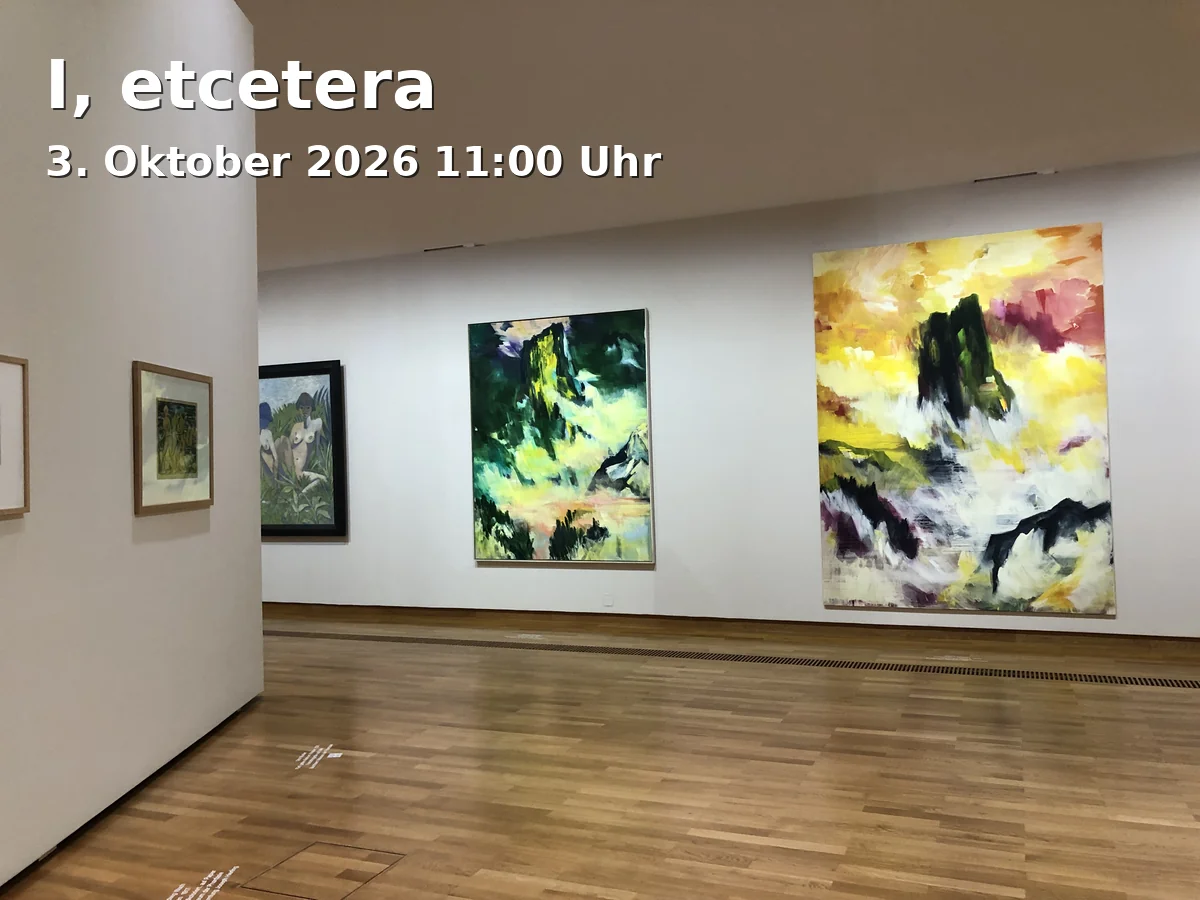 6,00 €
3. Okt. 2026 11:003. Oktober 2026 11:00
I, etcetera
Ausstellungen
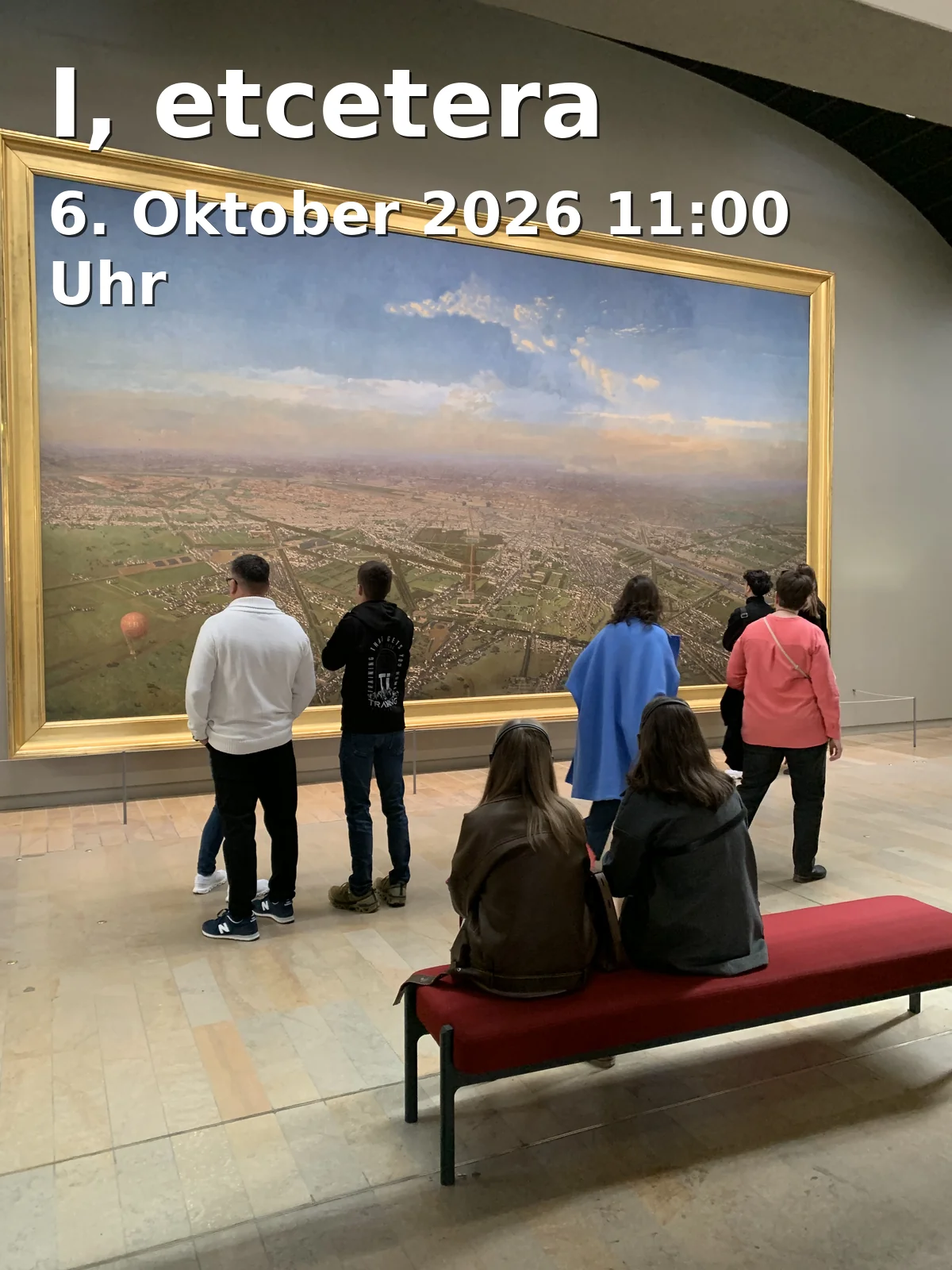 6,00 €
6. Okt. 2026 11:006. Oktober 2026 11:00
I, etcetera
Ausstellungen
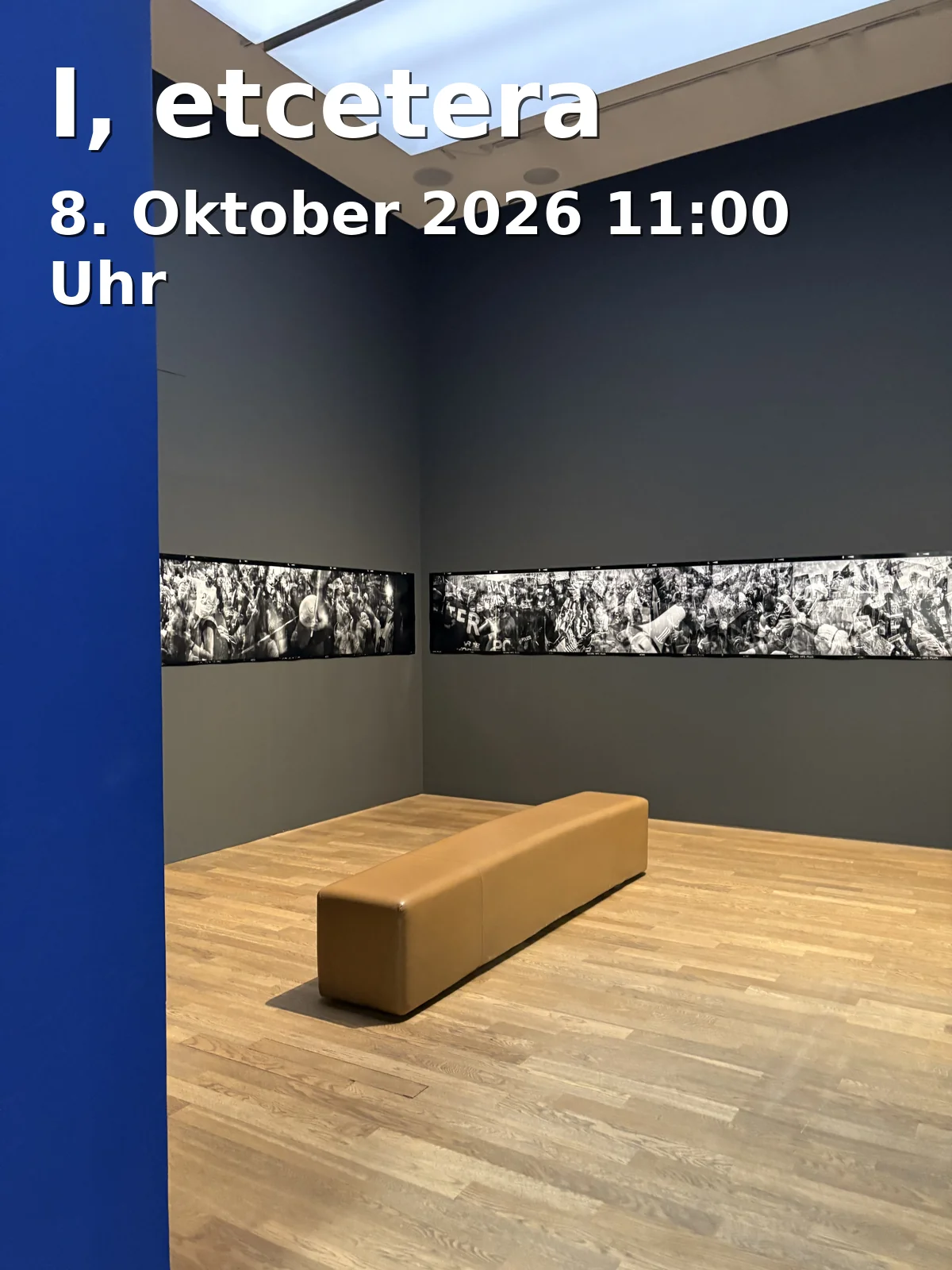 6,00 €
8. Okt. 2026 11:008. Oktober 2026 11:00
I, etcetera
Ausstellungen
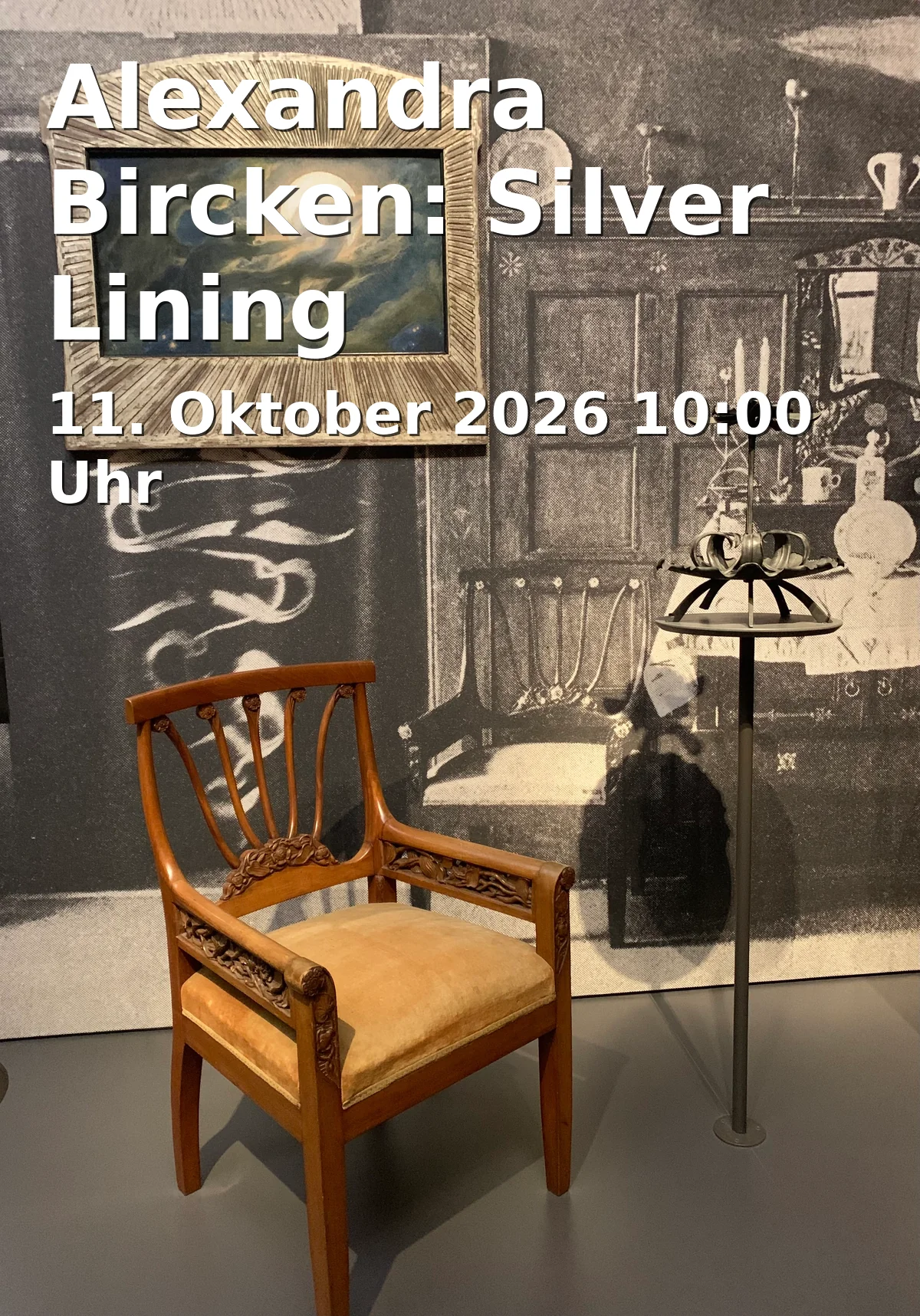
11. Okt. 2026 10:0011. Oktober 2026 10:00
Alexandra Bircken: Silver Lining
Ausstellungen