
- Exhibitions & Museums
- Relaxed
- Inside
Anita Oettershagen's Salix at Malkasten: Experience Nature as Textile Sculpture
- Date and Time
- 6. December 2026, 11:00
- Location
- Düsseldorf40 Düsseldorf, Deutschland
About this Event
Salix: Nature transforms into textile sculpture
With Salix, Anita Oettershagen presents an impressive installation at the Hentrichhaus of the Künstlerverein Malkasten exploring the transformability of nature. The botanical name of the willow becomes the starting point for an aesthetic experience between organic form, textile material, and architectural space.
A willow as a symbol of change and vitality
Willows represent flexibility, change, and vitality. In Oettershagen's work, these meanings condense into a red sculptural form whose surface resembles the bark of old willows. The work Salix 06, created in 2026, measures 195 x 63 x 40 centimeters and simultaneously opens an independent, abstract field of color.
Textile sculpture between nature observation and material poetics
Anita Oettershagen does not transfer natural forms into lifelike imitation. She develops amorphous bodies from wool felt, polyester yarn, and textile techniques, whose effects vary between nest, cocoon, skin, and bark. The technique of sewing she developed creates dense, dynamic surfaces and makes the process of creation visible as a rhythm of line, tension, and condensation.
The independence of the material
Oettershagen uses, among other things, twigs that she collects during walks and employs as brushes. Fabrics and felts do not strictly follow a predefined design but develop their own forms from their materiality. Craft precision meets the idiosyncrasy of the material. Thus, sculptures reflecting natural growth processes are created without depicting concrete plants.
Art historical classification and artistic stance
Oettershagen's work operates at the intersection of sculpture, textile art, and abstract form language. The artist studied at the Textile Engineering School in Krefeld as well as art and art science at the State Academy of Art Düsseldorf, where she was a master student of Alfonso Hüppi. From 1983 to 2010, she taught as a professor of design theory and textile design at the University of Applied Sciences Niederrhein.
Her works connect nature observation with a contemporary material aesthetic. Textile surfaces become autonomous bodies, where transience, growth, and transformation meet sensually. The exhibition thus offers not only a view of the work but also access to cultural education about material, form, and nature perception.
A quiet art experience in the Hentrichhaus
In the showcase of the Hentrichhaus, the organically shaped objects relate to the architecture of the post-war period. The protected interior creates a tension-filled contrast to the winter exterior. Red color, textile density, and the reminiscent form language of bark draw attention to transitions: between soft and hard, nature and artifact, inside and outside.
The Künstlerverein Malkasten, founded in 1848 and thus one of the oldest artist associations in Germany, creates a special place for contemporary art in Düsseldorf with its changing exhibitions. Salix complements the exhibition Garden of Possibilities in the Malkastenforum and expands its reflection on the complexity of natural forms.
Conclusion: Nature as a dynamic artistic language
Visitors can expect a concentrated art experience where textile, sculpture, and nature motifs merge into an independent visual language. Salix invites them to read surfaces attentively, follow material transformations, and savor the aesthetic experience of a single, striking artwork intensively. A visit to the Hentrichhaus enriches the stay in Düsseldorf with a quiet, sensual, and art-historically stimulating encounter with contemporary sculpture.
Official channels of Anita Oettershagen:
- Instagram: no official profile found
- Facebook: no official profile found
- YouTube: no official profile found
- Website: https://anita-oettershagen.de/
Sources:
Frequently Asked Questions
Ähnliche Veranstaltungen
 6,00 €
22. Sep. 2026 11:0022. September 2026 11:00
I, etcetera
Ausstellungen
 6,00 €
23. Sep. 2026 11:0023. September 2026 11:00
I, etcetera
Ausstellungen
 6,00 €
24. Sep. 2026 11:0024. September 2026 11:00
I, etcetera
Ausstellungen
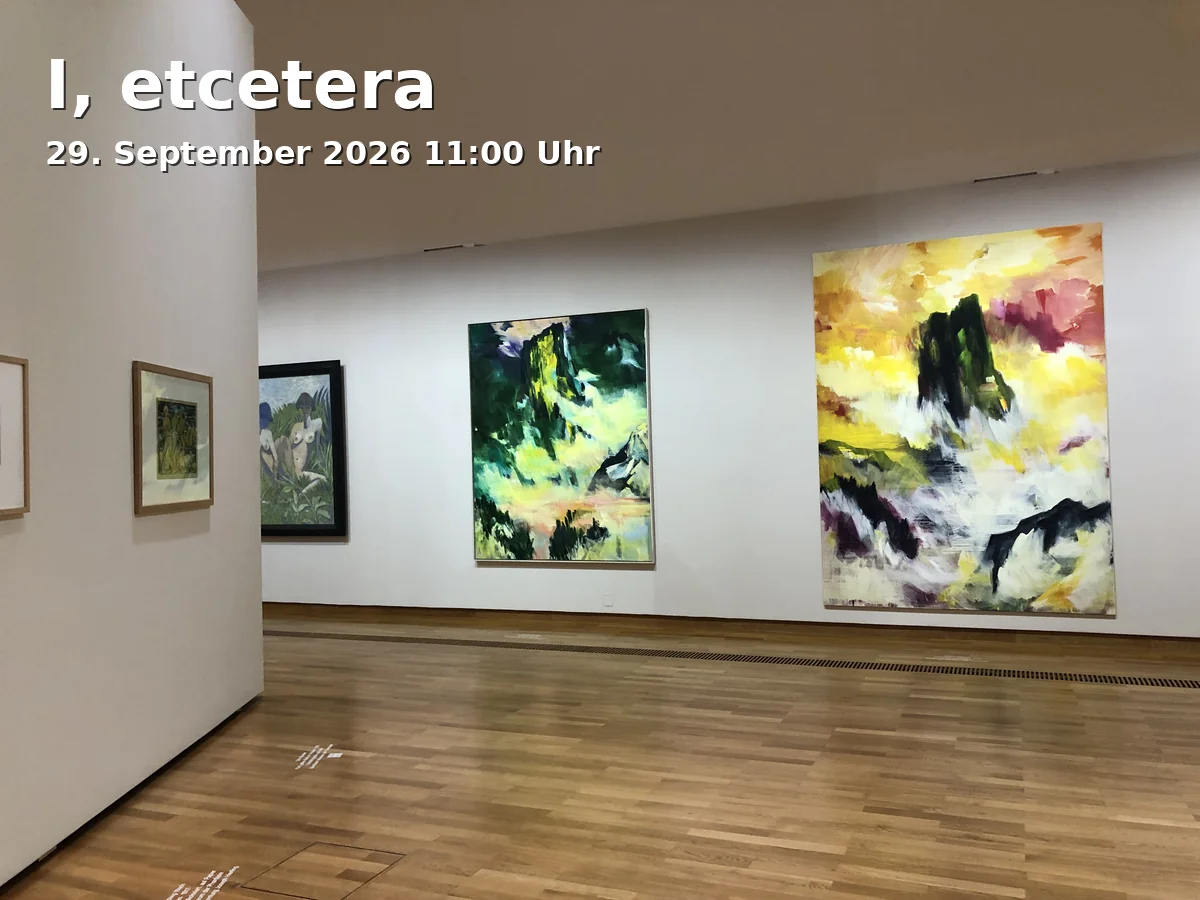 6,00 €
29. Sep. 2026 11:0029. September 2026 11:00
I, etcetera
Ausstellungen
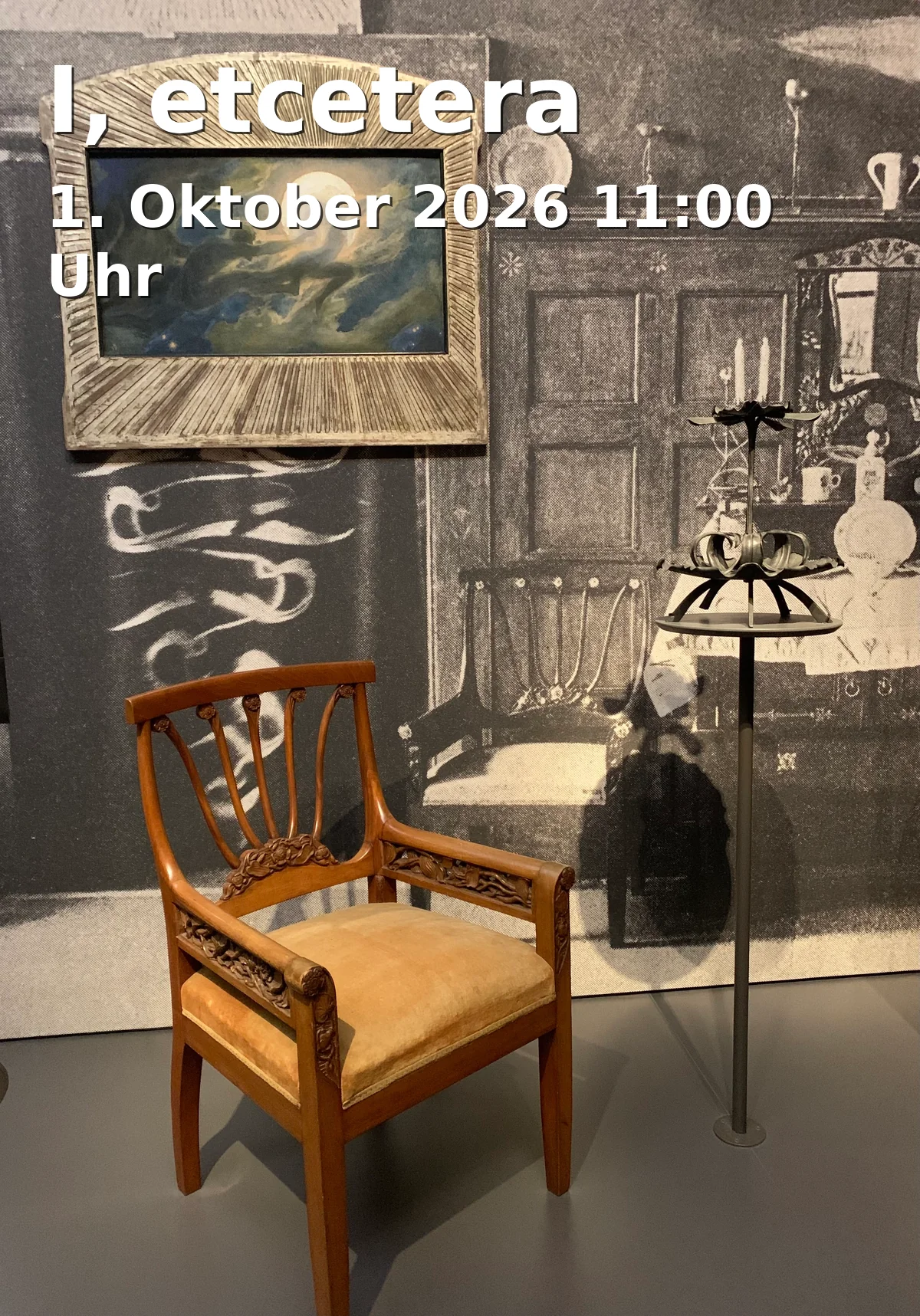 6,00 €
1. Okt. 2026 11:001. Oktober 2026 11:00
I, etcetera
Ausstellungen
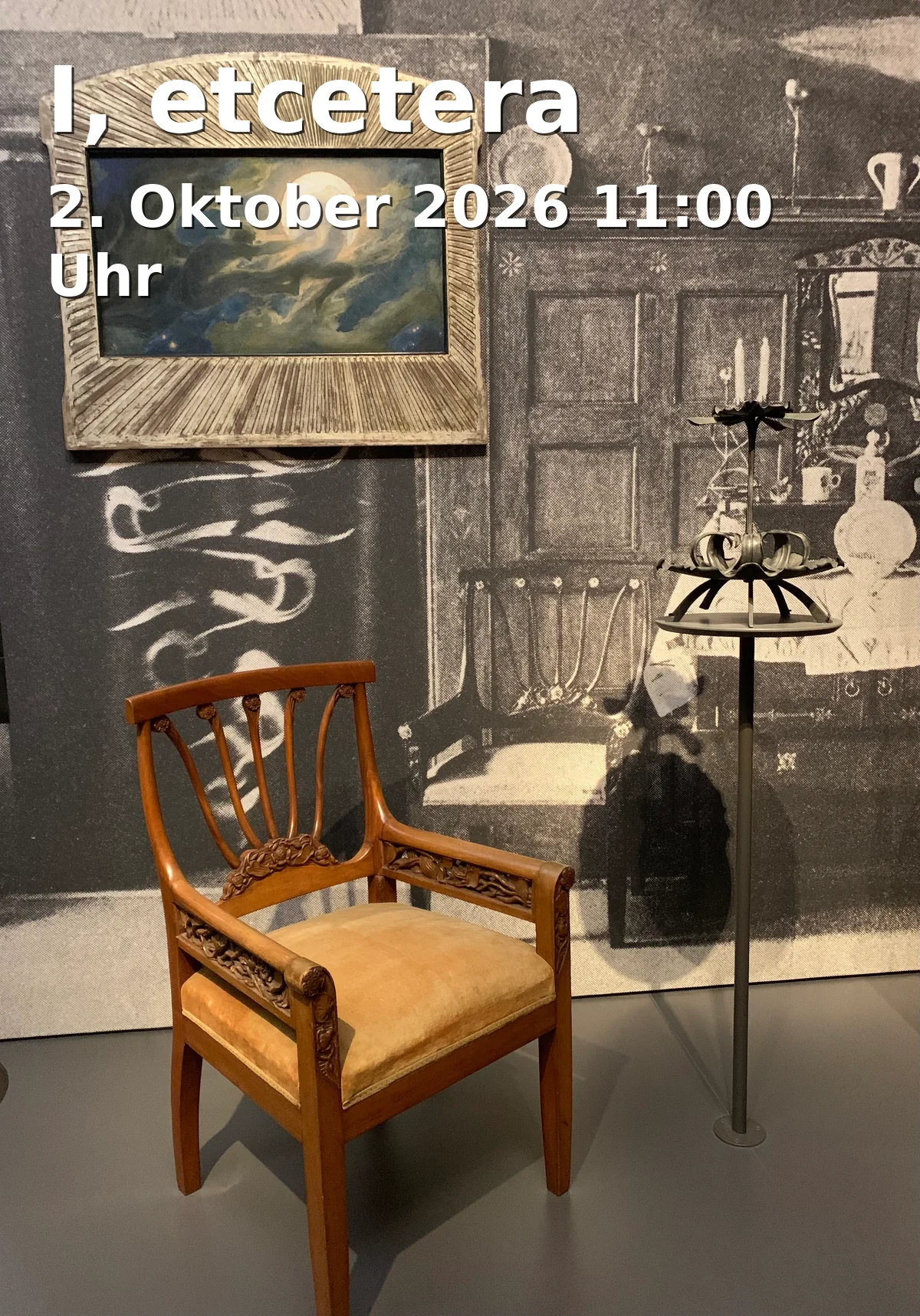 Kostenlos
2. Okt. 2026 11:002. Oktober 2026 11:00
I, etcetera
Ausstellungen
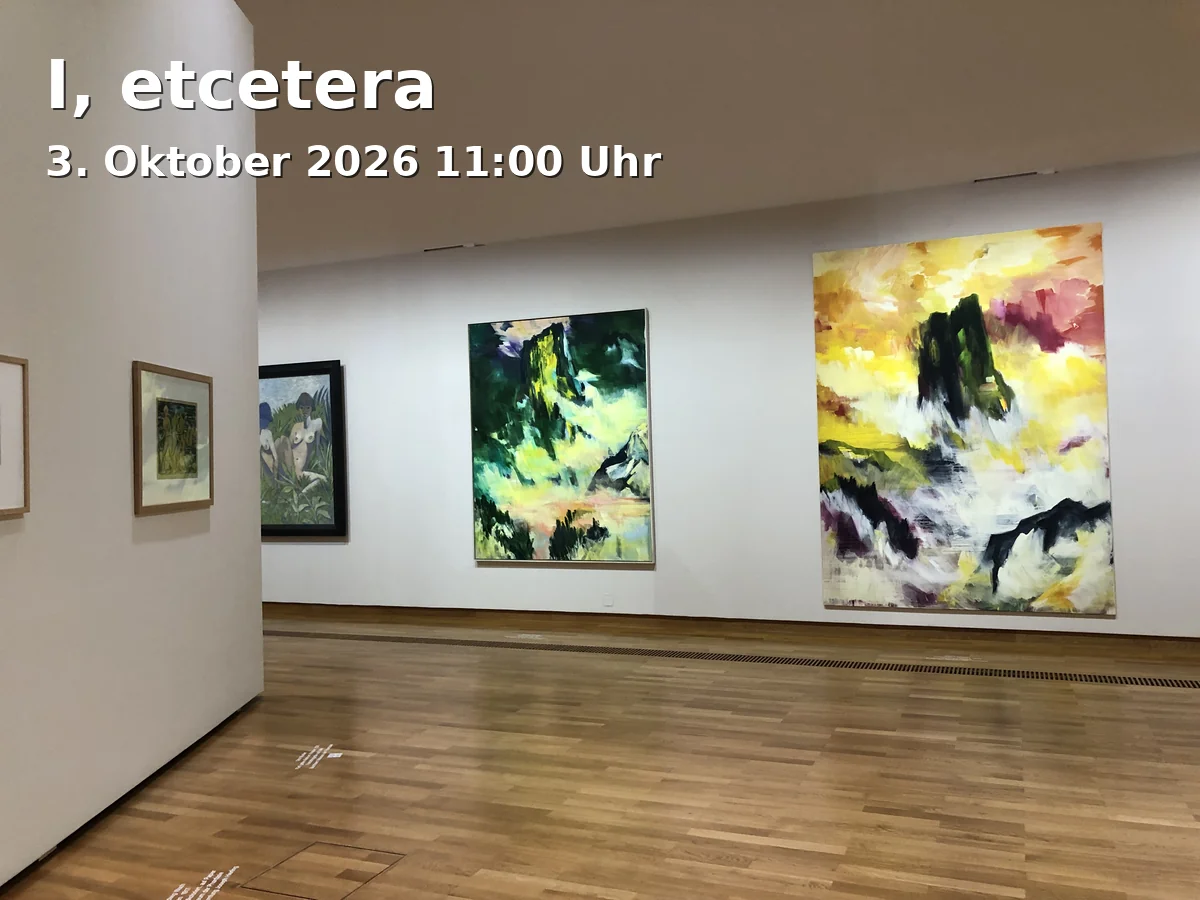 6,00 €
3. Okt. 2026 11:003. Oktober 2026 11:00
I, etcetera
Ausstellungen
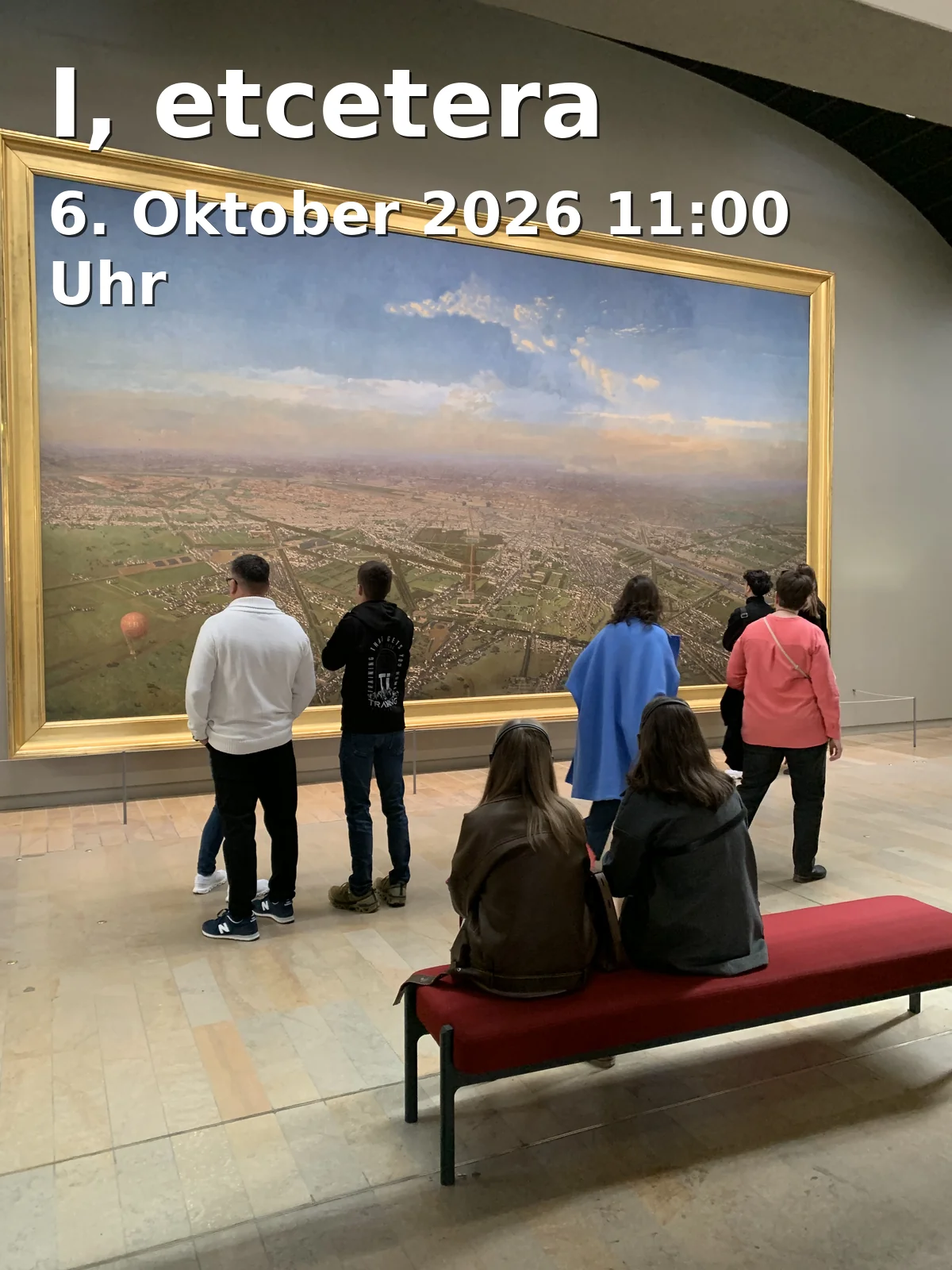 6,00 €
6. Okt. 2026 11:006. Oktober 2026 11:00
I, etcetera
Ausstellungen
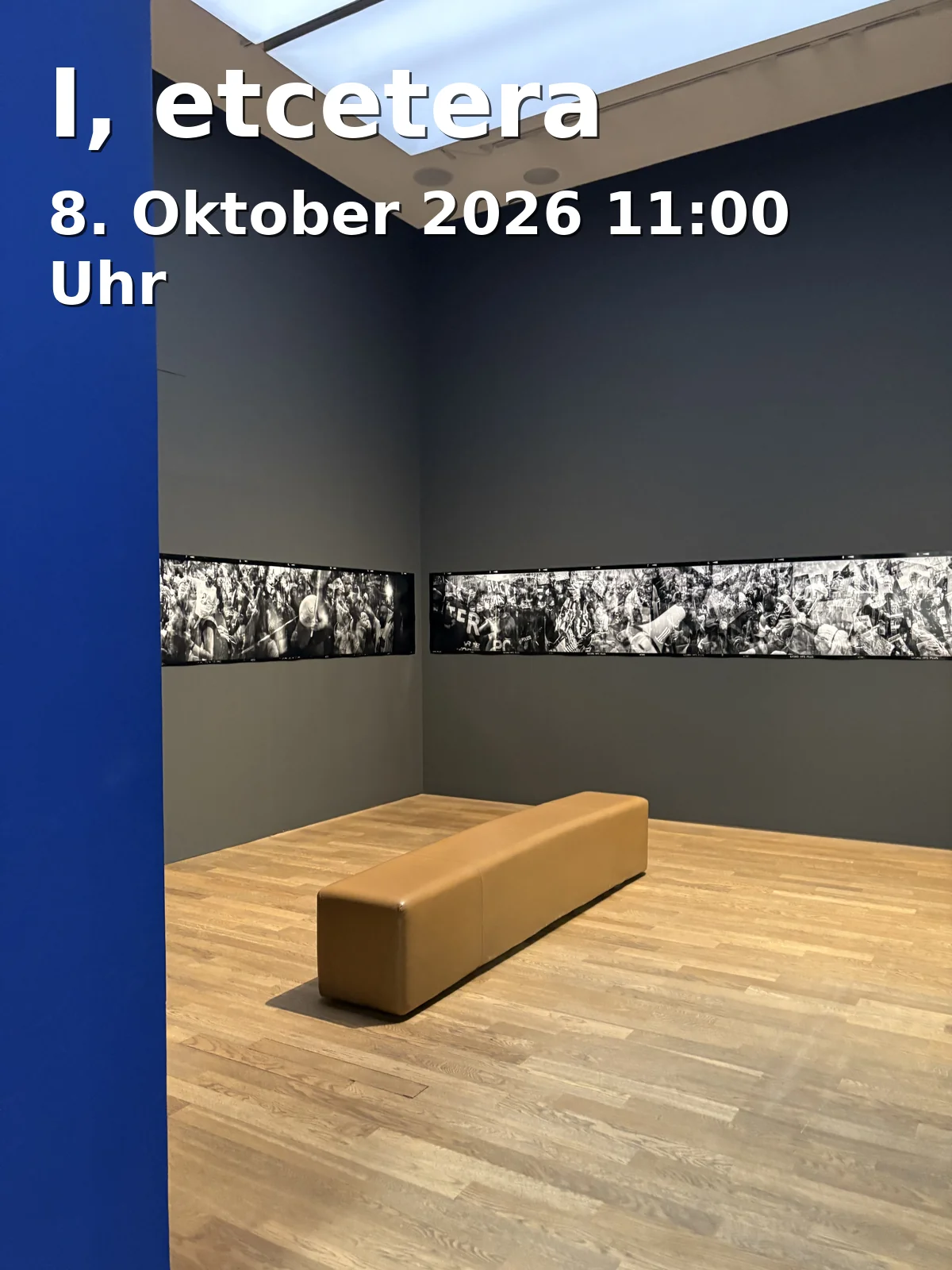 6,00 €
8. Okt. 2026 11:008. Oktober 2026 11:00
I, etcetera
Ausstellungen
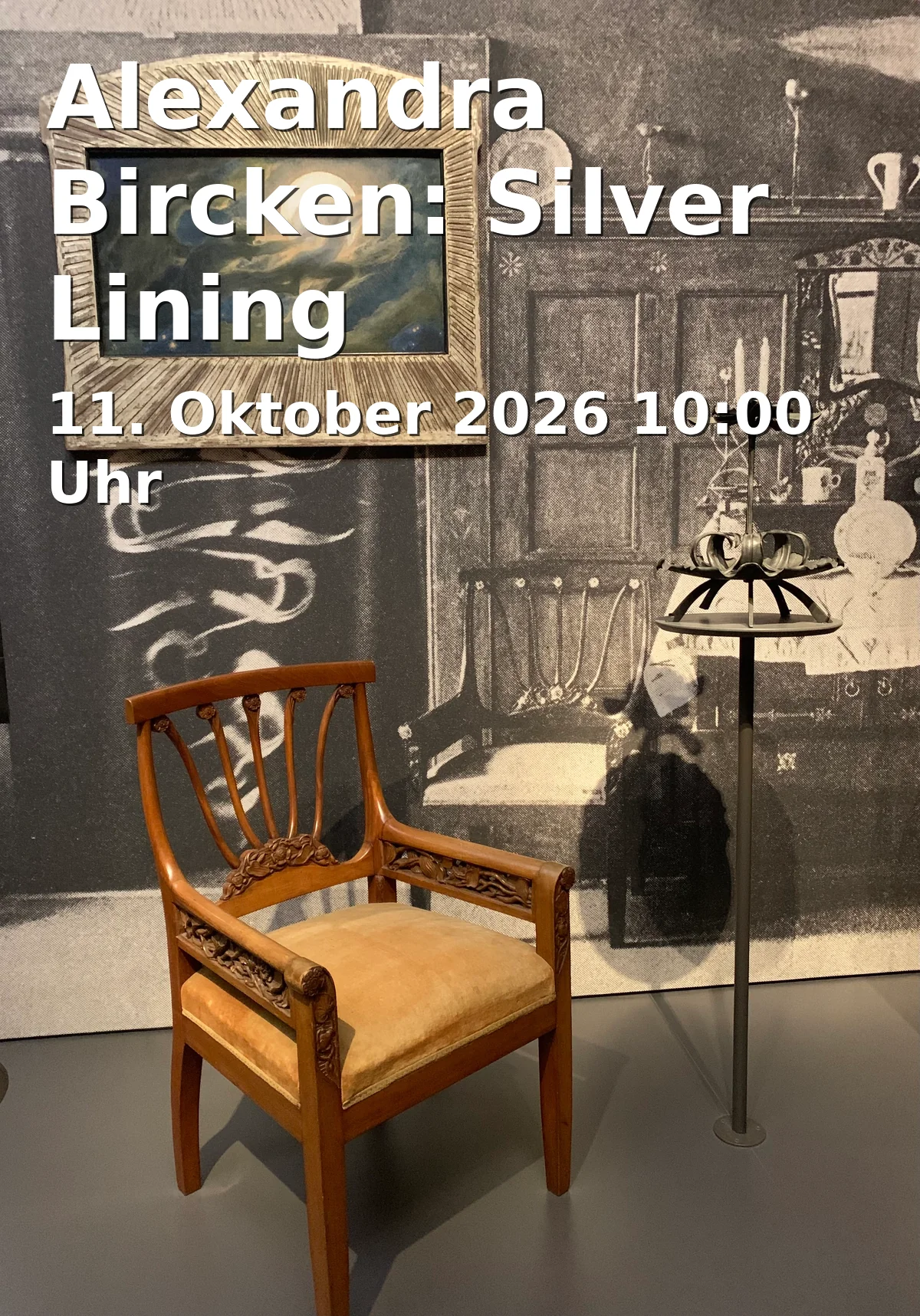
11. Okt. 2026 10:0011. Oktober 2026 10:00
Alexandra Bircken: Silver Lining
Ausstellungen