System of a Down
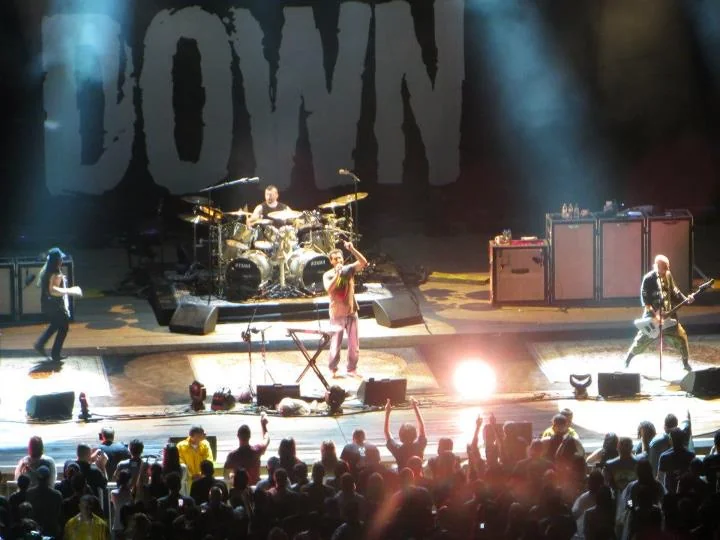
Image from Wikipedia
Image from Wikipedia
System of a Down – The Armenian-American Metal Band that Transforms the Extreme into Anthems
One of the Most Unconventional and Influential Bands in Modern Metal History
System of a Down was formed in 1994 in California from a clear artistic vision: uncompromising metal, complex song structures, and a distinctive play with contrasts. The band consists of Serj Tankian, Daron Malakian, and Shavo Odadjian; John Dolmayan replaced the original drummer Ontronik “Andy” Khachaturian in 1997. All members have Armenian roots, and it is exactly this heritage that continues to shape the identity, thematic world, and sound language of the group to this day. ([en.wikipedia.org](https://en.wikipedia.org/wiki/System_of_a_Down?utm_source=openai))
The Origins: California, Armenian Identity, and a Clear Artistic Stance
Even the band’s name points to a tension that has characterized System of a Down from the very beginning: dark, ironic, charged, and at the same time open to ambiguity. The group grew up in the California scene of the 1990s, blending alternative metal aesthetics with political sharpness and a pronounced sensitivity to cultural origins. It was precisely this combination of personal experience and collective stance that made the band uniquely recognizable early on. ([en.wikipedia.org](https://en.wikipedia.org/wiki/System_of_a_Down?utm_source=openai))
In public perception, System of a Down quickly became more than just another metal band. The group represented a radical form of artistic independence, where hardness, melody, and grotesque breaks coexist. Early reports emphasized that the band tackles social and political issues with an intensity that is rarely as pointed in heavy metal. ([encyclopedia.com](https://www.encyclopedia.com/people/literature-and-arts/music-popular-and-jazz-biographies/system-down?utm_source=openai))
The Breakthrough: From Underground to a Defining Voice of a Generation
With their self-titled debut album System of a Down, the band laid the foundation for their reputation as an unpredictable force in metal. The real breakthrough came with Toxicity, an album that catapulted the band into the forefront of the genre. Songs like “Chop Suey!”, “Toxicity”, and “Aerials” became anthems for generations and made the band famous worldwide. ([en.wikipedia.org](https://en.wikipedia.org/wiki/System_of_a_Down_%28album%29?utm_source=openai))
The connection between hardness and catchiness was particularly strong: abrupt tempo changes, distinctive harmonies, cutting guitar riffs, and a vocal style that alternates between screaming, pathos, and melodic approach. This very dynamic made System of a Down's music immediately identifiable and gave it immense recognizability on the radio as well as on stage. ([pitchfork.com](https://pitchfork.com/reviews/albums/system-of-a-down-toxicity/?utm_source=openai))
The Creative Peak: Two Albums, One Trademark
Following Toxicity, Steal This Album! emerged from material that initially circulated as unfinished songs and was later released in final form. The band established a discography where even the breaks are part of the narrative: nothing feels overly polished, much appears to be consciously sharpened friction. This gave the entire work its artistic tension. ([en.wikipedia.org](https://en.wikipedia.org/wiki/System_of_a_Down?utm_source=openai))
In 2005, System of a Down released two studio albums, Mezmerize and Hypnotize, in quick succession. This phase is considered a peak of band dynamics, as it further expanded their stylistic range and placed even greater emphasis on contrasts, density, and dramatic breaks in songwriting. In retrospect, these two albums are central references of nu metal and alternative metal from the 2000s. ([en.wikipedia.org](https://en.wikipedia.org/wiki/Mezmerize?utm_source=openai))
Discography, Songs, and Reception in the Music Press
The discography of System of a Down is still described as concentrated yet immensely influential today. The most important studio albums are System of a Down, Toxicity, Steal This Album!, Mezmerize, and Hypnotize; this body of work is complemented by later single releases and compilations. In music press, Toxicity is often categorized as a milestone of the genre, also due to its mix of raw energy, complex structure, and immediate hook impact. ([en.wikipedia.org](https://en.wikipedia.org/wiki/System_of_a_Down_%28album%29?utm_source=openai))
Critics regularly emphasize that the band has developed its own grammar in the tension between aggression and melody. Pitchfork described Toxicity as a feat that masterfully balances abrasion and accessibility; Metacritic referred to the multifaceted, complex nature of the music in Hypnotize without claiming self-love. This reception illustrates how firmly System of a Down is anchored in both metal and broader rock discourse. ([pitchfork.com](https://pitchfork.com/reviews/albums/system-of-a-down-toxicity/?utm_source=openai))
Political Sharpness and Cultural Influence
System of a Down is not only a symbol of musical force but also of thematic sharpness. The songs address war, social violence, media criticism, and state power structures; particularly “B.Y.O.B.” and “Prison Song” are frequently cited as examples of the band's political directness. This made the quartet an exception in mainstream metal: hard to access, yet intellectually and emotionally charged. ([en.wikipedia.org](https://en.wikipedia.org/wiki/System_of_a_Down?utm_source=openai))
The cultural influence extends far beyond traditional metal circles. The interplay of Armenian identity, eccentric performance, and socio-political sharpness made the band a symbol of artistic independence. Even in later retrospectives and best-of lists, albums and songs by System of a Down regularly appear, underscoring their enduring presence in the music canon. ([en.wikipedia.org](https://en.wikipedia.org/wiki/System_of_a_Down_%28album%29?utm_source=openai))
Stage Presence, Hiatus, and the Rare Power of Joint Performance
After their creative peak, the band withdrew from album work for a longer period, but remained a live phenomenon with immense draw. The rarity of joint performances heightened their cult status: when System of a Down takes the stage, nostalgia instantly turns into presence. The performance thrives on precision, dynamics, and a collective pressure that works equally well in stadium formats as in more intimate moments of the setlist. ([en.wikipedia.org](https://en.wikipedia.org/wiki/System_of_a_Down?utm_source=openai))
In 2025, the band returned with an extensive series of stadium dates, including shows in North and South America. Ticketmaster recorded the tour kickoff on August 27, 2025, in East Rutherford, New Jersey, with rotating co-headliners like Korn, Avenged Sevenfold, and Deftones; further sources confirmed stadium dates in Chicago and Toronto as well as a return to South America. This was a strong signal for the band: System of a Down remains a live force of international weight even without regular album releases. ([ticketmaster.com](https://www.ticketmaster.com/system-of-a-down-tickets/artist/726146?page=1&utm_source=openai))
Current Projects and Musical Perspectives
In 2025, the public activity of System of a Down primarily focused on their major live return. Officially, the band points to tour, music, merchandise, and streaming platforms on their website; their current presence shows that the project is still actively maintained, even though new studio releases are absent. At the same time, solo and side projects of the members shape the expanded context, especially around Serj Tankian and Daron Malakian. ([systemofadown.com](https://www.systemofadown.com/?lang=en))
Especially Serj Tankian remained visible in 2025 with his own works, while Daron Malakian presented new music with Scars on Broadway. For the band itself, however, the focus of attention was on their legacy, stage energy, and exceptional catalog strength. System of a Down functions today like a monument that is illuminated in regular, massive live moments. ([nme.com](https://www.nme.com/news/music/system-of-a-downs-serj-tankian-announces-new-album-covers-collaborations-collages-3887321?utm_source=openai))
Voices of the Fans
Fan reactions show how vibrant the connection to System of a Down remains. In comments surrounding the recent tour announcements, phrases like “I NEED TO SEE SOAD”, “Come to Atlanta pleaseeee”, and “Make a new album” emerge; they reflect anticipation, impatience, and deep respect for the band. Sentences like “I will be there at all 3 gigs! Grateful” further demonstrate that System of a Down continues to mobilize a passionate community. ([facebook.com](https://www.facebook.com/rockdocumented/posts/this-is-worth-traveling-for8282025system-of-a-down-and-kornmetlife-stadium-nyc83/892081762907815/?utm_source=openai))
Conclusion: Why System of a Down Continues to Fascinate
System of a Down remains intriguing because the band combines musical radicalism with emotional directness. Hardly any other metal band has consistently worked between aggression, melody, political stance, and formal surprise while creating such a formative body of work. Those who experience the band live do not see routine but an event with force, power of memory, and artistic independence. ([pitchfork.com](https://pitchfork.com/reviews/albums/system-of-a-down-toxicity/?utm_source=openai))
Official Channels of System of a Down:
- Instagram: https://instagram.com/systemofadown
- Facebook: https://www.facebook.com/systemofadown
- YouTube: https://www.youtube.com/@systemofadown
- Spotify: https://open.spotify.com/artist/5eAWCfyUhZtHHtBdNk56l1
- TikTok: https://www.tiktok.com/@systemofadown?_r=1&_t=8s006OmKuQV
Sources:
- System Of A Down - Official Site
- System Of A Down - Official Store
- Wikipedia - System of a Down
- Wikipedia - System of a Down discography
- Pitchfork - System of a Down: Toxicity Album Review
- Metacritic - Hypnotize Critic Reviews
- Ticketmaster - System Of A Down Tickets, 2025 Tour Dates
- Soldier Field - System of a Down & Avenged Sevenfold
- System Of A Down - Facebook
Upcoming Events
System Of A Down: Live in Düsseldorf