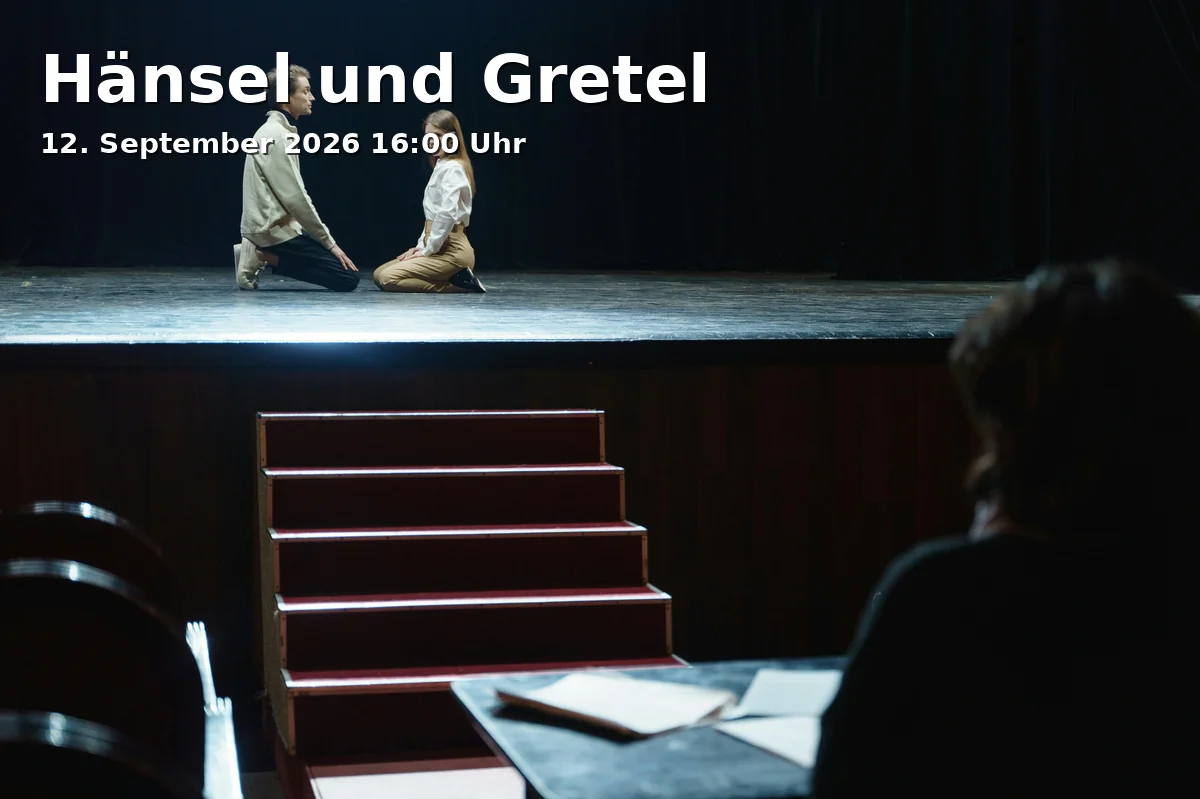
Hänsel und Gretel
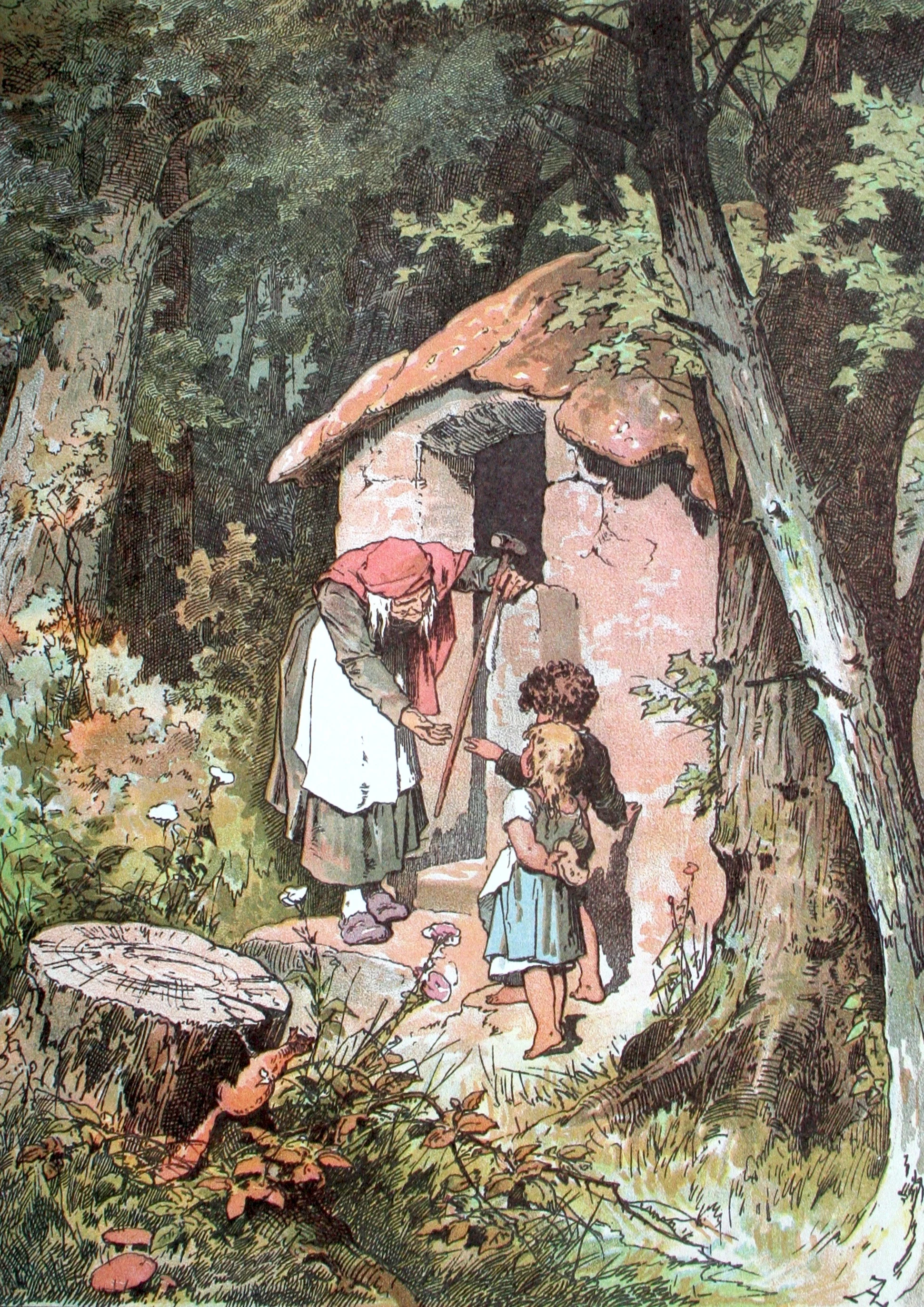
Image from Wikipedia
Image from Wikipedia
Hansel and Gretel – the German fairy tale between Grimm, opera, and cultural history
A fairy tale that has shaped generations
Hansel and Gretel is one of the most famous German fairy tales and ranks among the most enduring narratives in European cultural history. In the Brothers Grimm's Children’s and Household Tales, it is listed as KHM 15 and belongs to the fairy tale formula ATU 327A. The story is much more than a children’s tale: it connects existential hardship, sibling loyalty, fear of the unknown, and the fascination for seduction, cunning, and survival.
The early dissemination of the story shows its extraordinary appeal. Ludwig Bechstein included the tale, adapted from Friedrich Wilhelm Gubitz, in his German Fairy Tale Book, thus continuing another important line of tradition. The title appeared as "Hänsel und Grethel" in the second edition of the Grimms' collection and later established itself in the now known spelling as "Hansel and Gretel."
The origin of the story and its literary power
The core of the narrative lies in a drastic but clearly structured dramaturgy: poverty, abandonment, disorientation in the forest, the seductive threat of the gingerbread house, and finally, the rescue through courage and cleverness. It is precisely this compressed form that makes the fairy tale so enduringly effective. It offers archetypal images that can easily be adapted to various cultural contexts.
The Brothers Grimm crafted a literary fairy tale from orally transmitted motifs that remains present today in education, theater, opera, and pop culture. In doing so, simplicity and symbolism connect in a unique way. The forest becomes a space of trial, the house a trap, the witch the embodiment of danger, and the sibling pair a unity that proves itself in extreme situations.
Biographical classification of a fairy tale with an impressive career
As a fairy tale, Hansel and Gretel has no biography in the human sense; however, it has a striking history of reception. The material has traveled through collections, adaptations, and reinterpretations, gaining new levels of interpretation with each iteration. Thus, a simple narrative has evolved into a cultural mainstay that fulfills literary, musical, and educational functions simultaneously.
The story remains vibrant to this day precisely because it does not construct a closed world. Each generation extracts different aspects: social hardship, gender roles, fear pedagogy, childhood self-empowerment, or the darker side of the fairy tale. This complexity explains the enduring significance of the material in the canon of German narrative tradition.
From folk tale to stage: The musical career of the material
The cultural presence of the fairy tale was especially strengthened by Engelbert Humperdinck's opera "Hansel and Gretel." The work made the material a staple of musical theater and set the fairy-tale plot into an opulent, folk song-inspired musical language. The music combines Wagnerian elements with catchy melodies, creating a form that is both artistic and immediately accessible.
The opera is considered one of the most successful German fairy tale operas and brought the composer lasting fame. NDR describes how the box-office hit "Hansel and Gretel" made Humperdinck a millionaire after a long artistic and financial drought. The combination of a popular tone, orchestral brilliance, and dramatic condensation significantly enhanced the cultural resonance of the material.
Musical language, composition, and atmospheric effect
Humperdinck's opera incorporates well-known folk songs and connects them with newly composed passages to form a cohesive musical cosmos. It is this mixture of familiarity and compositional sophistication that shapes the work's impact. The rhythm of speech and song, the colorful orchestration, and the fairy-tale dramaturgy create a sound world that remains performance-ready to this day.
The opera is through-composed and follows in the tradition of Richard Wagner without merely replicating his pathos. Instead, it works with folk-like melodies and a clear understandability of the motifs. As a result, the fairy tale gained a musical authority that carried it far beyond the children's room into high culture.
Discography of the fairy tale: Adaptations, recordings, and resurgence
A classic discography in the sense of a pop or rock artist does not exist here, but the material has a rich performance history on recordings and in productions. The opera, in particular, has produced numerous recordings and has been interpreted anew time and again. Thus, Hansel and Gretel functions like a repertoire title, experienced anew across different artistic generations.
In the sources of music history, the work appears as a fixed entity in the German opera canon. Several opera houses, radio orchestras, and festivals have included it in their programs. The ongoing presence shows that the fairy tale is not only read but is also musically reactivated again and again.
Cultural influence: Between childhood memory and dark symbolism
Few other German fairy tales are as deeply embedded in the collective memory. The gingerbread house, the forest, the witch, and the sibling figures have become symbols that function independently of the original text. Especially in art, theater, and music, they serve as ciphers for temptation, danger, survival, and familial solidarity.
The material continues to lend itself to reinterpretations today because it provides clear images while also allowing for open meanings. Modern adaptations can emphasize social issues, psychological tensions, or dark undertones without losing the basic structure. This ensures that the fairy tale remains relevant for an audience that appreciates both classic narrative patterns and new interpretations.
Reception, impact, and enduring popularity
Hansel and Gretel is not just a fairy tale from the 19th century, but a cultural archetype that is continually updated. The story thrives on its narrative clarity and a strong visual language, which continues in music, literature, and theater. For this reason, the material is equally relevant for music lovers, cultural historians, and fairy tale enthusiasts.
The reception spans from classic editions of the Grimms to literary adaptations, through to the tradition of opera and modern family productions. This continuity makes the material one of the most resilient narratives in German cultural history. Anyone who encounters Hansel and Gretel also encounters a condensed form of European narrative tradition.
Conclusion: Why Hansel and Gretel continues to fascinate
Hansel and Gretel remains captivating because the fairy tale unfolds great emotional weight with few means. It tells of fear and ingenuity, of childhood solidarity, and of the strength to assert oneself in a threatening world. Through Humperdinck's operatic version, the material also gained a musical dimension that has strengthened its impact across generations.
Those who engage with this fairy tale discover not only a famous narrative but a piece of living cultural history. Especially on stage and in the concert hall, the story reveals its special magic. A look at new productions or a performance of the opera is always worthwhile, as Hansel and Gretel resonates, shines, and has an impact even today.
Official channels of Hansel and Gretel:
- Instagram: No official profile found
- Facebook: No official profile found
- YouTube: No official profile found
- Spotify: No official profile found
- TikTok: No official profile found