
Andreas Jordan
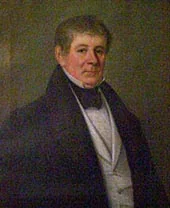
Image from Wikipedia
Image from Wikipedia
Andreas Jordan – the Pioneer of Quality Wine Production in the Palatinate
A Life Between Politics, the Mayorship, and Viticulture
Andreas Jordan, born on August 25, 1775, in Deidesheim and died on November 21, 1848, in the same place, is one of the defining figures in the history of Palatine wine. He was a Bavarian politician, winemaker, and a central personality in the local history of Deidesheim. His name still symbolizes the transition from traditional, mixed viticulture to a focused understanding of quality based on origin, site, and grape variety. ([de.wikipedia.org](https://de.wikipedia.org/wiki/Andreas_Jordan?utm_source=openai))
Origin and Local Roots
Jordan did not operate in Deidesheim as a distant reformer; he was a man from the heart of his town. Sources describe him as the mayor of Deidesheim and the owner of a vineyard in his hometown. This dual role gave him influence in local matters and immediate authority in viticulture, as he combined economic practice with political shaping power. ([de.wikipedia.org](https://de.wikipedia.org/wiki/Andreas_Jordan?utm_source=openai))
This close-rootedness explains his lasting influence. Deidesheim developed into a center of quality-oriented viticulture in the 19th century, and Jordan is one of the names that are repeatedly mentioned in this context. His significance extends beyond just himself: he became a reference point for a whole tradition of Palatine wineries and family lines. ([en.wikipedia.org](https://en.wikipedia.org/wiki/Deidesheim?utm_source=openai))
The Path to Becoming a Pioneer of Quality Viticulture
Andreas Jordan is regarded as the founder of quality viticulture in the Palatinate. Several sources emphasize that he preferred only high-quality grape varieties, especially Riesling, and pushed back against the then-prevalent mixed planting in favor of a clearer separation of the varietals. In doing so, he opted for a method of working that seems commonplace today, but in the early 19th century represented a significant innovation. ([wein.de](https://www.wein.de/bassermann-jordan?utm_source=openai))
His approach was not only artisanal but also conceptual. The quality orientation that is associated with his name had a lasting influence on the region and served as a model for other winemakers. By around 1830, as noted in the preserved recognition, quality viticulture in the Mittelhaardt had already become the practice for many businesses thanks to Jordan’s groundwork. ([de.wikipedia.org](https://de.wikipedia.org/wiki/Andreas_Jordan?utm_source=openai))
Political Career and Public Office
Jordan was not only a winemaker but also a Bavarian politician. From 1831 to 1843, he served in the Second Chamber of the Estates Assembly of the Kingdom of Bavaria, thereby representing the Mittelhaardt in a political framework that was of significant importance for the regions of the Kingdom of Bavaria. Additionally, he served as the mayor of Deidesheim from 1819 to 1834. ([de.wikipedia.org](https://de.wikipedia.org/wiki/Andreas_Jordan?utm_source=openai))
This political career illustrates how closely viticulture and local development were intertwined in his life. The social standing he gained through his vineyards and quality work also contributed to his reputation in politics. In his person, local responsibility, economic competence, and representative authority intertwined in remarkable ways. ([de.wikipedia.org](https://de.wikipedia.org/wiki/Andreas_Jordan?utm_source=openai))
The Vineyard and the "Jordan Division"
Jordan ran a vineyard in Deidesheim, the history of which continues to resonate today. After his death, the estate was divided among his children; this inheritance division is known as the "Jordan Division." Several significant wineries emerged from it, which continue to shape the wine landscape of the Palatinate to this day. ([ketschauer-hof.com](https://www.ketschauer-hof.com/unsere-weingueter/?utm_source=openai))
The significance of this division lies not only in family history but also in its institutional impact. From the Jordan legacy, houses developed that trace their origins back to the pioneer of quality viticulture and continue his philosophy. Thus, a family history became a structural principle of Deidesheimer viticulture. ([wein.de](https://www.wein.de/bassermann-jordan?utm_source=openai))
Discussion of the Legacy: Quality over Quantity
Jordan's legacy is primarily a cultural and economic promise of quality. By highlighting grape variety consciousness, careful separation of varietals, and a focus on prime sites, he laid the foundations for the modern understanding of origin wine. The Palatinate owes part of its current reputation as a region for elegant, characterized wines to this early strategic direction. ([bioweinportal.de](https://www.bioweinportal.de/weinwissen/weingebiete-und-ihre-winzer/weinbaugebiet-pfalz/?utm_source=openai))
Even in later representations of Palatine viticulture, Andreas Jordan remains a reference name. Official and semi-official wine sources refer to him as a pioneer whose work has influenced the cultural identity of Deidesheimer viticulture. His influence is thus reflected not only in historical retrospectives but also in the contemporary self-understanding of the region. ([pfalz.de](https://www.pfalz.de/sites/default/files/media/file/2025-07/pfalzwein_master-schulung_prasentation-2025_de_compressed.pdf?utm_source=openai))
Cultural Influence and Historical Presence
Andreas Jordan is still present in Deidesheim today. A fountain named after him commemorates his rank in the city's history, and other local memorial sites demonstrate how closely his name is tied to the local identity. Such forms of remembrance show that his actions are not merely archived but remain visible in the public space. ([de.wikipedia.org](https://de.wikipedia.org/wiki/Andreasbrunnen_%28Deidesheim%29?utm_source=openai))
His historical role connects economy, politics, and regional self-assertion. In a time when viticulture was still heavily influenced by traditions and varying qualities, Jordan made a clear statement for refinement and profile. Thus, he is among the personalities who not only cultivated a region but permanently shaped its image. ([de.wikipedia.org](https://de.wikipedia.org/wiki/Andreas_Jordan?utm_source=openai))
Conclusion: Why Andreas Jordan Remains Important Today
Andreas Jordan is a key figure in the Palatinate because he understood quality not as a catchphrase but as a practice. As a winemaker, mayor, and deputy, he combined expertise, responsibility, and foresight in a manner that continues to have an impact today. Anyone who wants to understand the history of Palatine viticulture cannot overlook his name. ([de.wikipedia.org](https://de.wikipedia.org/wiki/Andreas_Jordan?utm_source=openai))
Andreas Jordan remains fascinating above all as an example of how significantly regional culture can be shaped by individual creators. His legacy lives on in the wineries, in Deidesheimer memory culture, and in the idea of quality that has helped establish the reputation of the Palatinate. Those who want to experience the origins of this wine tradition should visit the historic sites in Deidesheim and follow Jordan's trace in the landscape itself. ([de.wikipedia.org](https://de.wikipedia.org/wiki/Andreasbrunnen_%28Deidesheim%29?utm_source=openai))
Official Channels of Andreas Jordan:
- Instagram: no official profile found
- Facebook: no official profile found
- YouTube: no official profile found
- Spotify: no official profile found
- TikTok: no official profile found